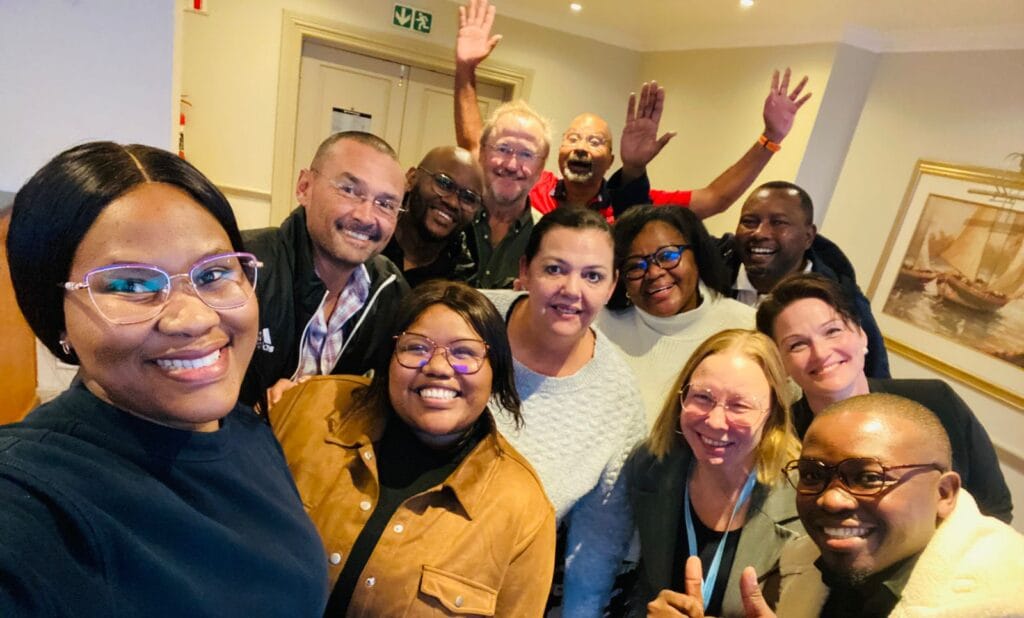
Internal control and governance are very important, as they help ensure transparency, accountability, and the effective use of resources. Therefore, ICLD actively works to strengthen these areas in order to support democratic local governments and promote sustainable local governance.
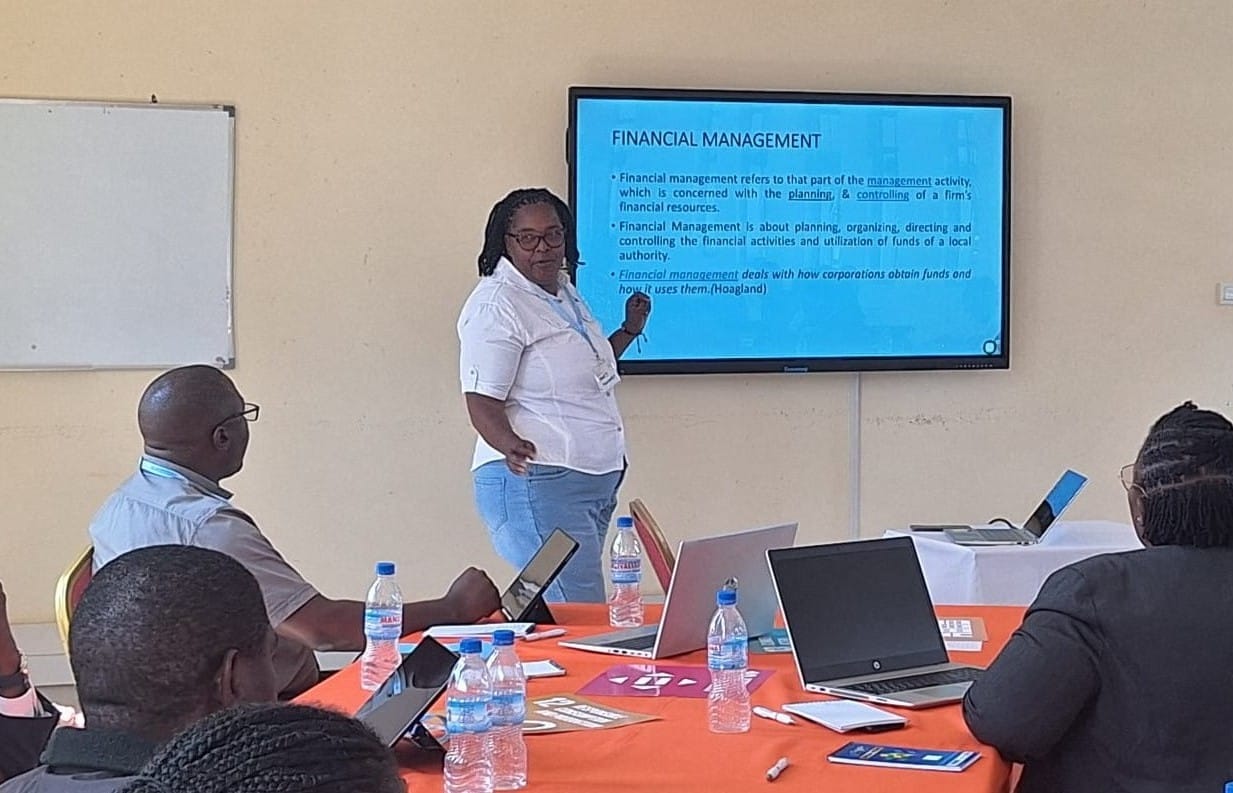
As part of this work, at the beginning of May, ICLD, together with LGAZ, organised a half-day seminar in Lusaka aimed at strengthening governance and internal control capacities within local authorities in Zambia. The seminar brought together senior local government officials, specifically Directors of Finance and Directors of Planning from 10 selected local authorities.
The seminar focused on several core areas, including public financial management, governance structures, internal audit standards, and accountability requirements. Particular attention was given to recurring audit findings and the underlying causes that continue to challenge local authorities. Participants also discussed compliance and reporting requirements related to the Constituency Development Fund (CDF), an area of increasing importance for local development implementation.
A central component of the seminar was the opportunity for peer exchange. Participants shared experiences, common challenges, and practical solutions from their own local authorities, allowing for valuable learning across councils and regions. The discussions highlighted the importance of strong internal systems, transparency, and effective oversight in building trust and improving service delivery at the local level.
By bringing together finance and planning officials with relevant oversight actors, the seminar contributed to strengthening both institutional knowledge and practical capacity. It also supported participants in identifying concrete measures to improve governance, accountability, and internal control systems within their organisations.
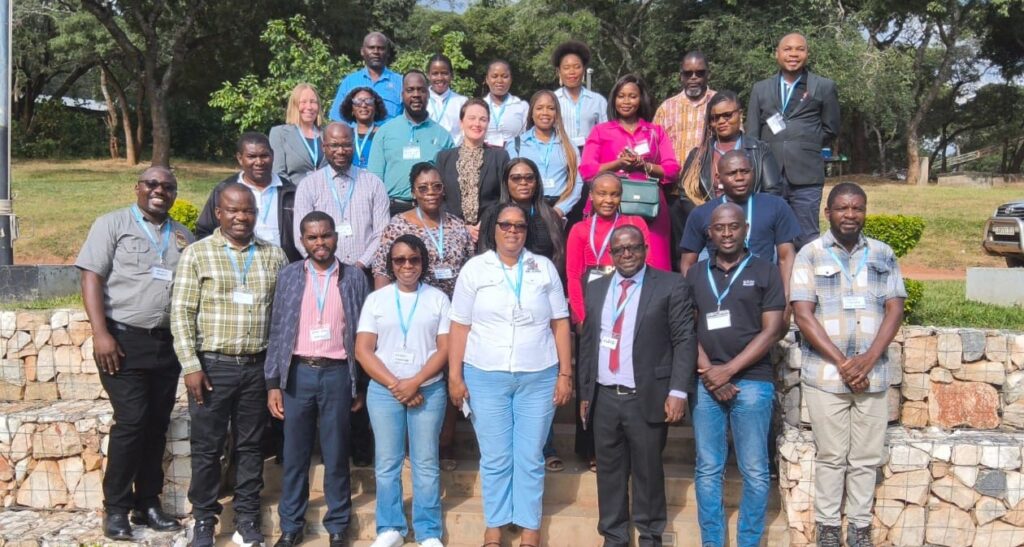
Training within ICLD’s Networks
Within ICLD’s partnership networks, participating municipalities receive training in internal control and governance. The aim is to support local authorities in improving public financial management and strengthening accountability systems at the local level.
Through presentations, discussions, and the sharing of experiences, participants explore key governance approaches and practical ways of improving internal control mechanisms within their respective councils.
During the trainings, many participants describe how hierarchies, political pressure, and fear of consequences shape everyday realities within municipal organisations. At the same time, positive examples are highlighted from municipalities where strong administration, clear accountability, and effective follow-up have contributed to improved governance and sustainable long-term results.
The discussions reveal that many municipalities face similar challenges, regardless of geographical location or local context. In many cases, knowledge of governance principles and internal control systems already exists. The greater challenge often lies in implementation, continuity, and in building organisational cultures that encourage openness, accountability, and long-term effectiveness.
These trainings also place a strong emphasis on peer learning and open dialogue rather than traditional presentations, creating a high level of engagement among participants. Together, the discussions provide a space for reflection not only on governance issues, but also on the cultural factors that influence municipalities’ ability to build sustainable organisations over time.