

The Citizen Report Card (CRC) survey in Homa Bay, Kenya, was conducted to assess local democracy and sexual and reproductive health services. The survey is part of ICLD’s Municipal Partnership Programme (MPP), which partners Homa Bay with Region Västerbotten in Sweden to improve equitable health care. Through this survey, citizens in Homa Bay County have the opportunity to provide feedback on their experiences with local governance and public services.
Survey Process
The survey was conducted across 358 households in Homa Bay County. The respondents, aged 18 and above, were selected using a random selection method combined with the use of probability proportional to number of households, ensuring that the sample represented the county’s adult population. The survey measured key areas of local democracy—participation, transparency, accountability, and equity—along with questions related to sexual and reproductive health services.

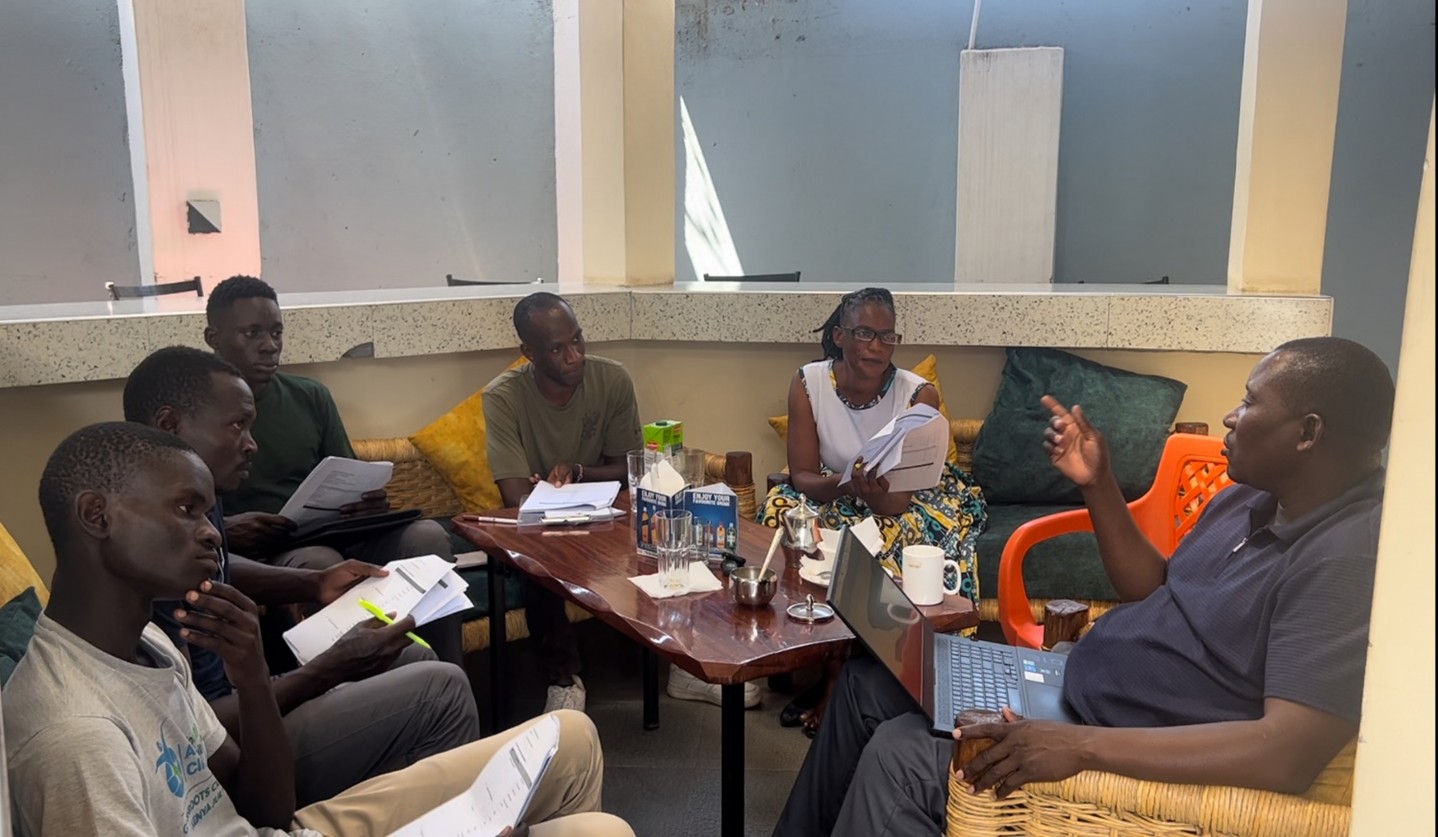
Representatives from Region Västerbotten and Homa Bay County. Photo: Josefin Daleskog
Demographic Profile of Respondents
- 49% of respondents were female, and 51% were male.
- 68% of respondents lived below the absolute poverty line.
- 64% of respondents were below 35 years of age.
- 303 respondents lived in rural areas and 54 in town areas.
Key Findings
1. Participation in Local Democracy
- The Participation Index showed an average score of 0.36, showing that women and respondents with an income below the absolute poverty line participate less in local democracy in Homa Bay.
2. Transparency and Accountability
- The Transparency Index had an average score of 0.56, with respondents with an income below the absolute poverty line feeling that it is easier to get information about what the local government is doing than those with a higher.
- No other significant differences were found, meaning that most groups find it equally easy or difficult to access information about government activities and report similarly high levels of bribery.
- The Accountability Index had an average score of 0.46, showing a significant relation with gender, meaning that women disagree to a higher extent compared to men.
3. Sexual and Reproductive Health Services
- The Service Delivery Index for sexual and reproductive health services had an average score of 0.66, with both women and young respondents below the age of 35 being more satisfied with the sexual and reproductive health service.
- Respondents stating that they have someone with a disability in the household are less satisfied with the service delivery than those without.
Key Takeaways and Recommendations
- Accessibility for People with Disabilities: Local authorities should ensure that public service facilities are accessible to people with disabilities, enabling equal access to local government services, for example by building ramps to health care facilities.
- Removing Barriers for Poorer Groups: Local government should take targeted measures to ensure poorer groups are as informed about voting and civic participation as higher-income groups. Cost-related obstacles, such as transportation to voting locations or public meetings, should be addressed. Efforts should also focus on improving access to essential health services, such as distributing free self-testing kits, sanitary towels, and condoms.
- Improving Female Participation: Local authorities should actively engage women in participatory processes to achieve gender balance in voter turnout, feedback collection, and official complaints, while ensuring that women are treated equally to men in all civic interactions.
The Citizen Report Card provides the local government of Homa Bay with valuable insights to help enhance local democracy, improve health care, and address the needs of marginalized groups in the community.