


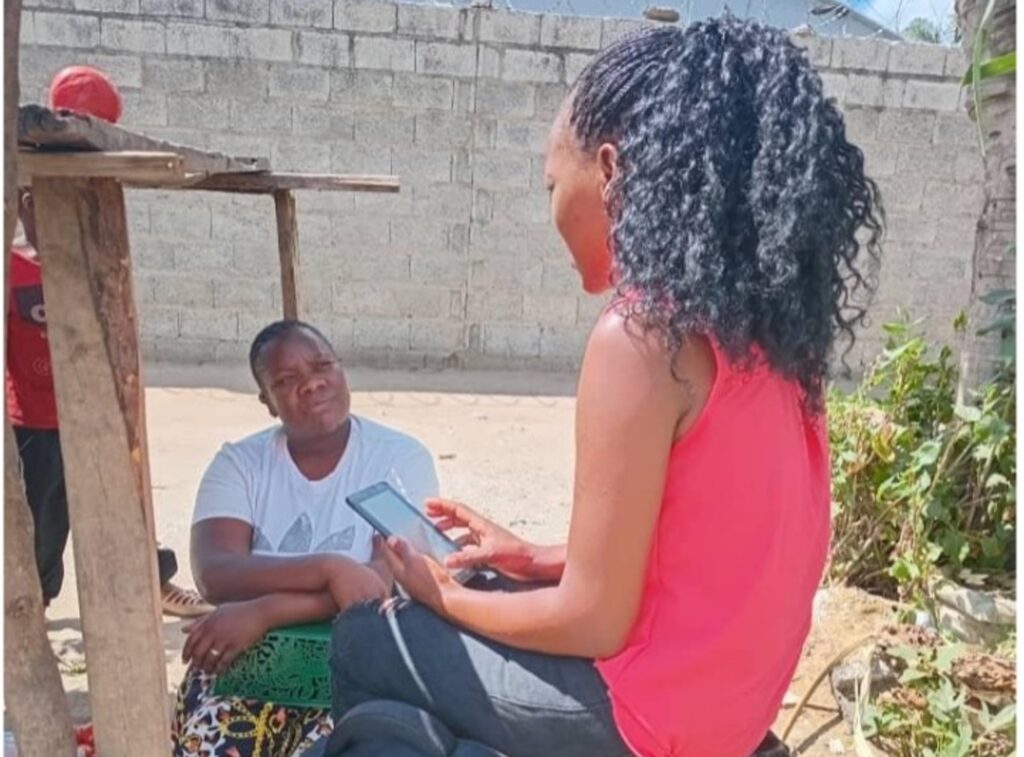
The Citizen Report Card (CRC) survey in Lusaka City, Zambia, was conducted to assess local democracy and youth inclusion services. The survey is part of ICLD’s Municipal Partnership Programme (MPP), which partners Lusaka with Lidköping in Sweden to improve youth inclusion services. Through this survey, citizens in Lusaka have the opportunity to provide feedback on their experiences with local governance and public services.
Survey Process
The survey was conducted across 350 households in Lusaka City using a stratified random sampling method. The respondents, aged between 15 and 35, were selected from both urban and suburban areas, ensuring the sample represented the city’s demographics. The survey measured key areas of local democracy—participation, transparency, accountability, and equity—along with questions related to youth rights and inclusion services.
Demographic Profile of Respondents
- 47% of respondents were female, and 53% were male.
- 41% of respondents lived below the absolute poverty line.
- 71% of respondents had completed high school, 11% had higher education, while 19% had only finished primary school or had no formal education.
- Most respondents lived in urban areas, with 18% reporting that they lived in suburban areas.
Key Findings
1. Participation in Local Democracy
- The Participation Index showed an average score of 0.15, showing that younger respondents, particularly those aged 18 and below, but also those between 19 and 25, participate less in local democracy compared to their older counterparts.
2. Transparency and Accountability
- The Transparency Index had an average score of 0.50, with respondents living in suburban areas feeling that they know less about what the local government is doing and how to find information about its programmes and services.
- The Accountability Index had an average score of 0.40, showing a significant and positive relation with respondents living in suburban areas.
3. Youth Inclusion Services
- The Service Delivery Index for youth inclusion had an average score of 0.44, no groups experienced less access to youth inclusion than any other groups, even though the level of satisfaction still needs improvement.
Key Takeaways and Recommendations
- Improving Communication: Efforts should be made by the local government to use appropriate channels to communicate with youths, such as social media platforms like Facebook and WhatsApp. Additionally, information about youth programmes and meetings should be widely publicised, and sensitization programmes should be organised to educate youths about government activities.
- Involving Youth in Decision-Making: Young people should have a stronger voice in local government meetings. The junior councillor must be more visible and accessible, and youth-led councils should be created in collaboration with local institutions.
- Employment and Empowerment Programs: Local authorities should create more job opportunities for young people, ensure fair distribution of the Constituency Development Fund (CDF), and establish community-based skills training centres.
The Citizen Report Card provides the local government of Lusaka with valuable insights to help enhance local democracy, improve youth inclusion services, and address the needs of marginalized groups in the community.
Human Rights and Youth Inclusion
Respondents were asked questions on human rights and youth inclusion, and their answers emphasized several key issues. Many highlighted the right to clean water, sanitation, and healthcare, while others emphasized the right to education. A significant number of responses pointed to freedom of speech, freedom of expression, and participation in governance. Some respondents also stressed the importance of equal opportunities, including access to employment and fair treatment. Additionally, respondents acknowledged the right to housing and shelter. Many further indicated that frustration with how programmes are implemented, particularly the limited accessibility of resources such as the Constituency Development Fund (CDF), discourages youth participation.