

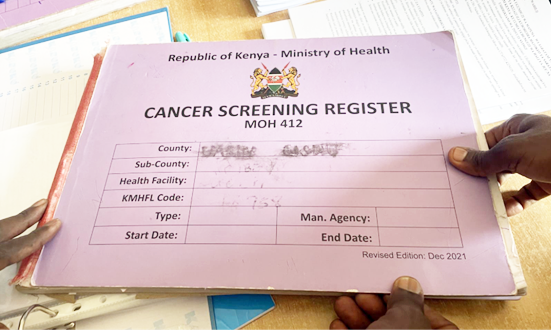
How can institutional collaboration contribute to better and more equitable cancer care? Within the ICLD-funded partnership between Region Östergötland and Uasin Gishu County in Kenya, training initiatives, locally adapted approaches and citizen dialogue have led to tangible improvements in cancer screening and early detection
About the partnership
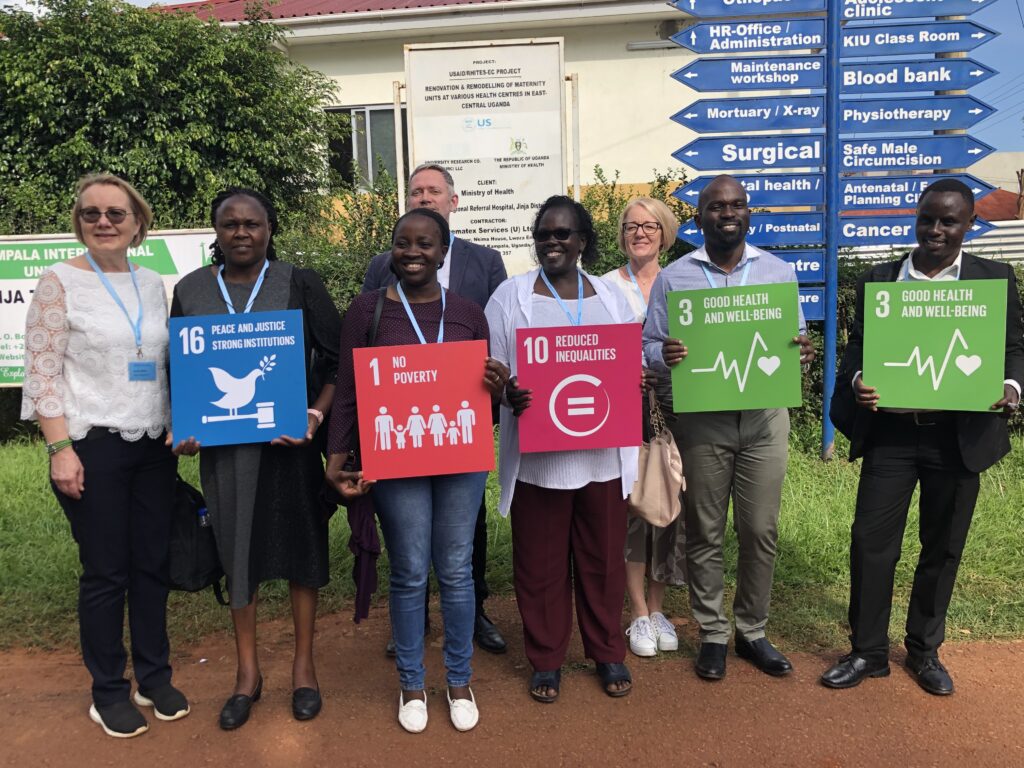
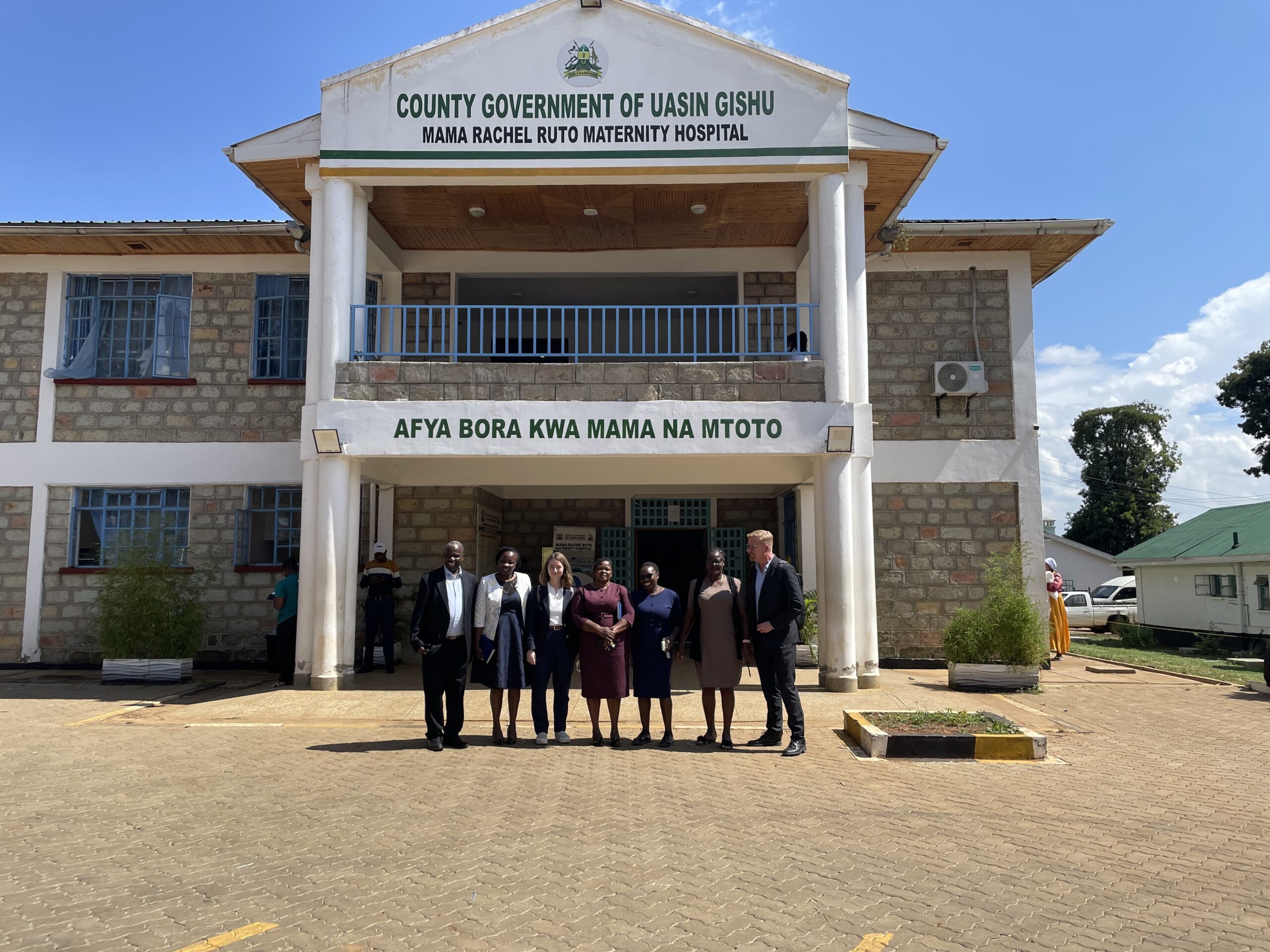
The partnership between Region Östergötland and the Kenyan county of Uasin Gishu, which began in 2021, aims to strengthen capacity in cancer-related healthcare through institutional collaboration and mutual learning. The overarching objective has been to reduce inequalities in care by building institutional capacity, identifying gaps within healthcare systems, and developing joint solutions that can be adapted and applied in both organisations.
The work has included capacity-building for healthcare professionals, the development of policies and guidelines, and the strengthening of dialogue between healthcare providers and citizens. The Community Report Card (CRC) method has also been used to capture community needs and support a more data-driven and needs-based approach.
Results and impact
The project has led to clear improvements at multiple levels – from individuals and organisations to the wider community.
Within the healthcare system, professional competence has been strengthened, particularly in the area of early diagnosis of cervical cancer. A range of training initiatives has equipped healthcare providers with improved tools to identify precancerous conditions, enabling more women to be diagnosed at an earlier stage and receive treatment before the disease progresses.
At the same time, work on communication and prevention has been further developed. Through new and more targeted communication strategies, healthcare services have been able to reach a wider audience with information on cancer prevention and screening. Information campaigns have been carried out through channels such as social media, posters and the information tool 1127Cancer, increasing awareness of the importance of early detection.
At organisational level, the project has contributed to more coherent and long-term governance of cancer care in Uasin Gishu County. New guidelines for the early detection and management of cervical and breast cancer have been developed and implemented, and decision-makers have strengthened their capacity for evidence-based policy development. This has resulted in more strategic use of resources and improved coordination across different levels of care.
A particular emphasis has been placed on equity in access to healthcare. Through targeted interventions, minority groups and socio-economically disadvantaged populations have been reached to a greater extent than before. HPV vaccination has been expanded in areas with low coverage, mobile healthcare teams have been deployed to rural communities, and information initiatives have been adapted to reflect linguistic and cultural contexts. Taken together, these efforts have led to increased participation in screening programmes and strengthened trust in the healthcare system.
Key results at a glance
- Improved early diagnosis of cervical cancer
- Enhanced competence among healthcare professionals
- More structured and evidence-based cancer care policy
- Increased access to screening and vaccination for vulnerable groups
- Improved dialogue between healthcare services and citizens
Lessons learned and next steps
The project has demonstrated that institutional collaboration can deliver lasting change when it is grounded in local needs and mutual learning. A key lesson is that methods and approaches must be adapted to the local context in order to be effective in practice. Flexibility and an iterative way of working have been essential in addressing resource constraints and differences between healthcare systems.
Following the conclusion of the project in early 2025, the collaboration is continuing through a follow-up project running until September 2026, with a focus on long-term sustainability and further strengthening equitable access to cancer care.