Inclusive leadership and governance

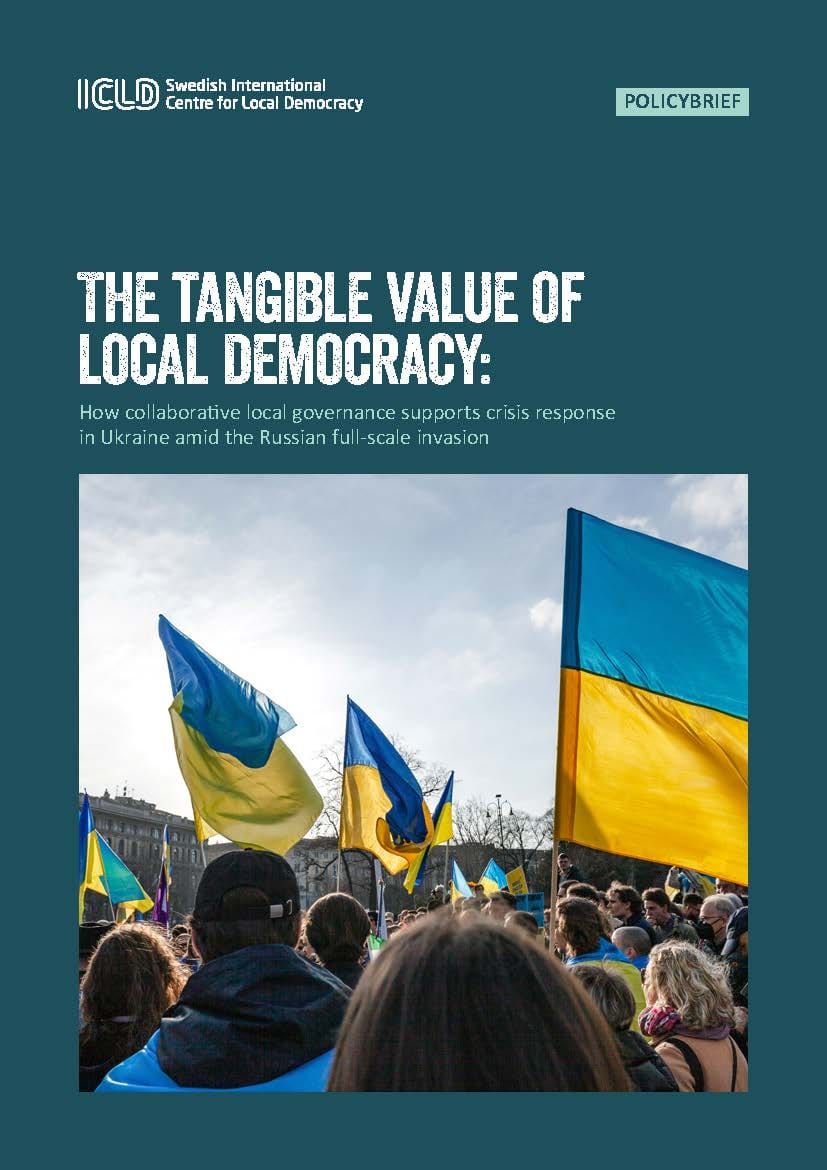
The tangible value of local democracy
How collaborative local governance supports crisis response in Ukraine amid the Russian full-scale invasion. This brief highlights how collaborative local governance aids Ukrainian communities in responding to crises caused by Russia’s full-scale invasion and boosts societal resilience. Co-production between local governments, residents, nonprofits, and businesses has led to practical solutions for challenges like internal displacement.…

Who gets to take part: understanding intersectionality and barriers to political participation in Colombia
Regional focus: Latin America – Colombia Time: March – November 2025 Abstract: In Colombia, Latin America, and elsewhere, barriers to political participation are manifold. This research project seeks to identify and analyze the intersectional barriers to political participation faced by Indigenous and Afro-descendent populations. Focusing on the dynamics of power that underpin marginalization due to gender, ethnicity,…

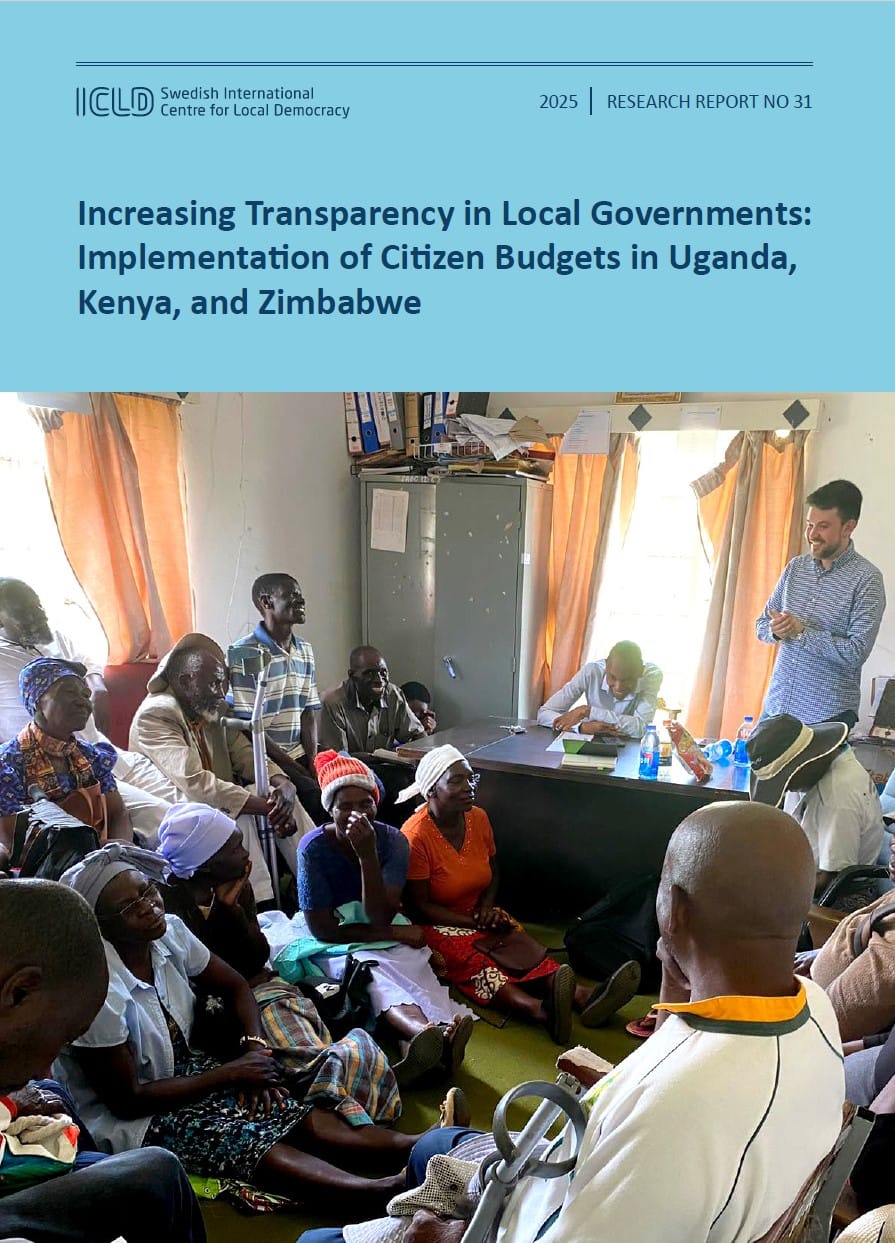
Increasing Transparency in Local Governments: Implementation of Citizen Budgets in Uganda, Kenya, and Zimbabwe
This research project investigates the implementation and impact of Citizen’s Budgets at the local level in selected countries. It aims to understand the elements that compose these budgets, the impact they have on the transparency of local government budget processes, and the degree of empowerment they confer, especially to marginalized groups. The study also assesses…

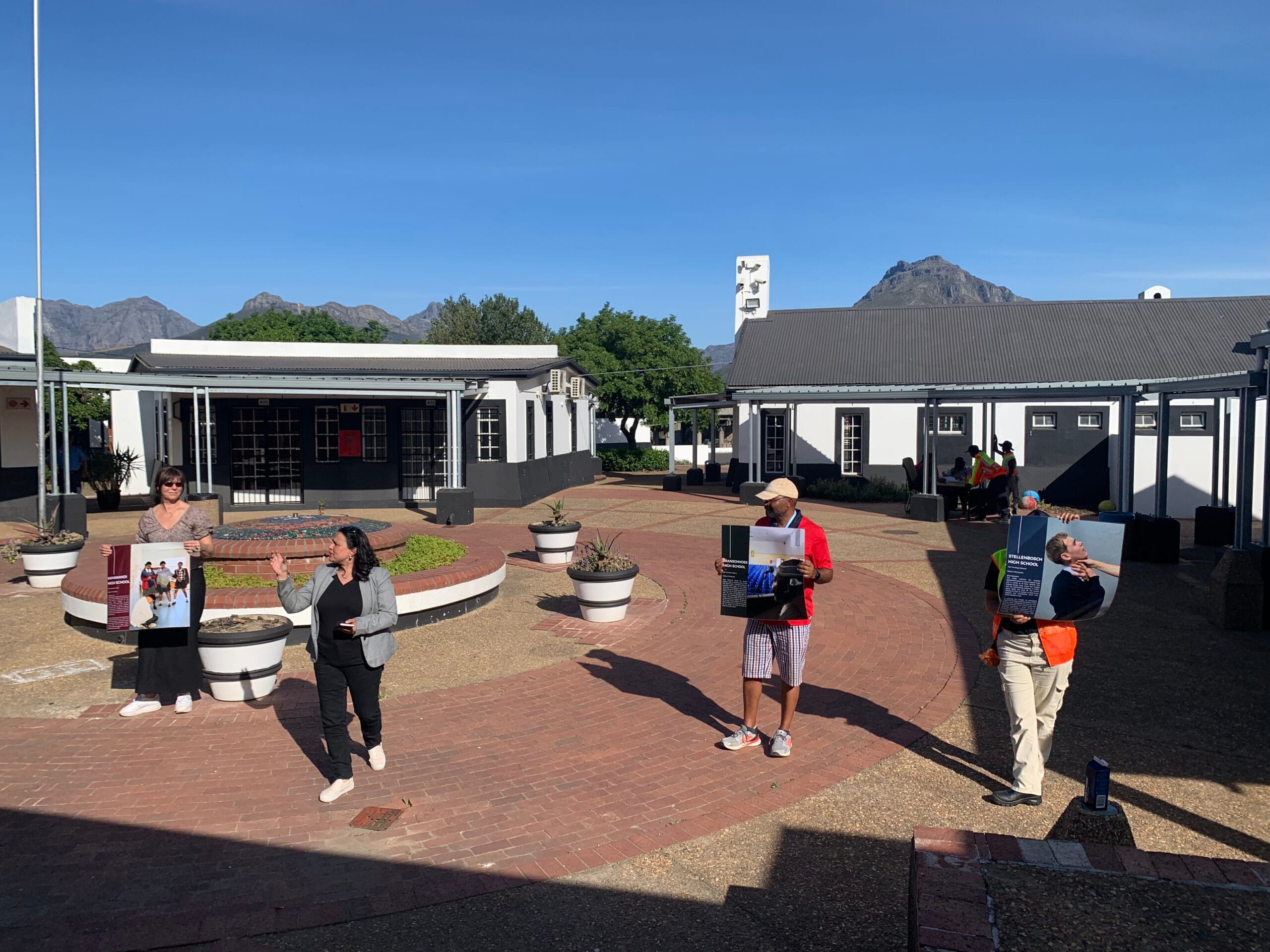
Voluntary Local Review of Klapmuts and Kayamandi Townships, Stellenbosch Municipality
Regional focus: Southern Africa / South Africa Time: January – November 2025 This SDG implementation progress report project follows up on previous ICLD research on conducting VLRs with a participatory methodology. According to this, participatory VLRs enable the process itself to contribute to democratic change and accelerate the SDG implementation. Abstract: There is an increasing realization that…

Peer learning in partnerships – toolbox
The objective of peer-learning in ICLD networks (including team visits) and partnerships is the transfer of knowledge, skills and experience from one local government to another, and vice versa, mainly through international visits. These visits are at the heart of your partnership, and network, and should be well planned and contain elements that encourage peer…

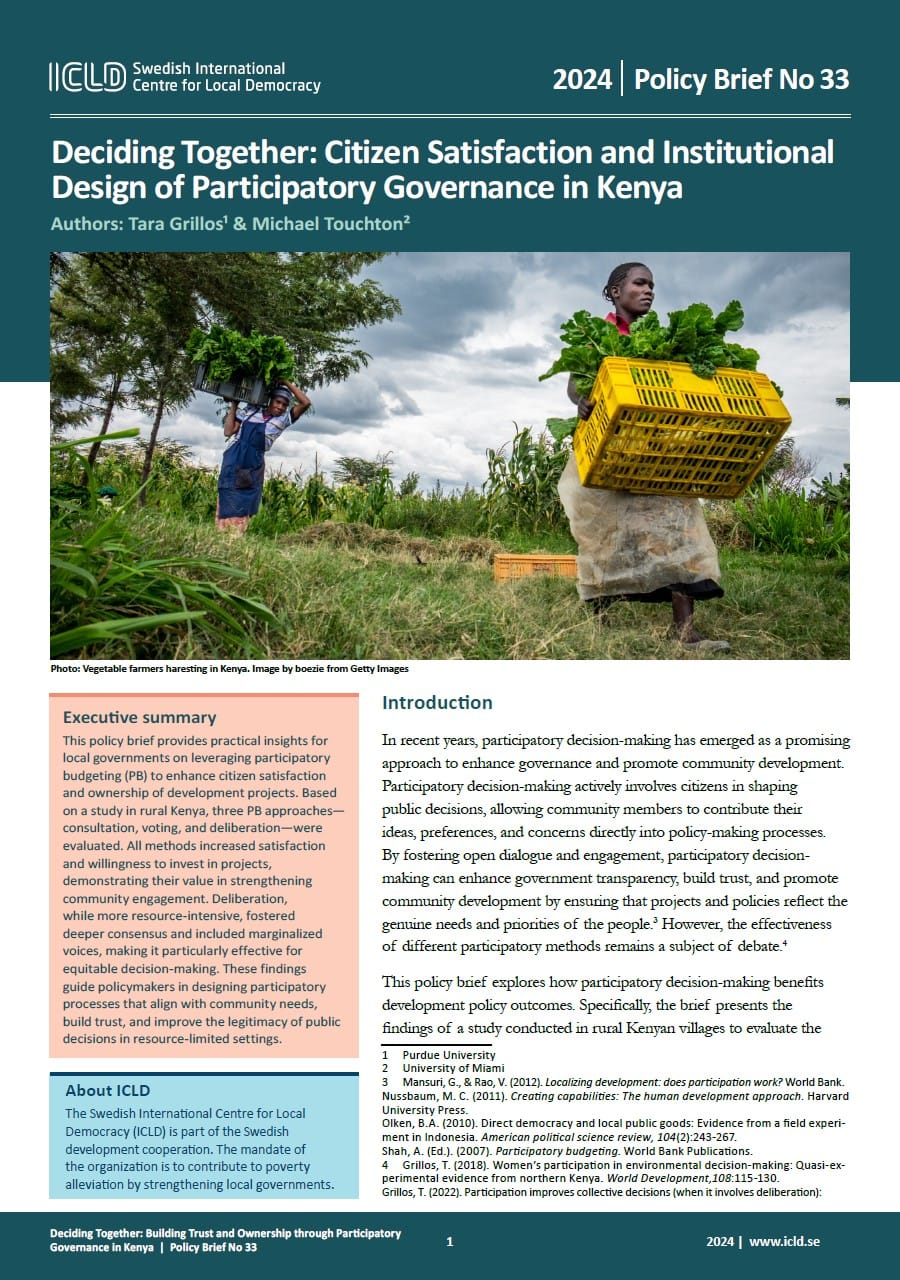
Deciding Together: Citizen Satisfaction and Institutional Design of Participatory Governance in Kenya
This policy brief provides practical insights for local governments on leveraging participatory budgeting (PB) to enhance citizen satisfaction and ownership of development projects. Based on a study in rural Kenya, three PB approaches—consultation, voting, and deliberation—were evaluated. All methods increased satisfaction and willingness to invest in projects, demonstrating their value in strengthening community engagement. Deliberation,…

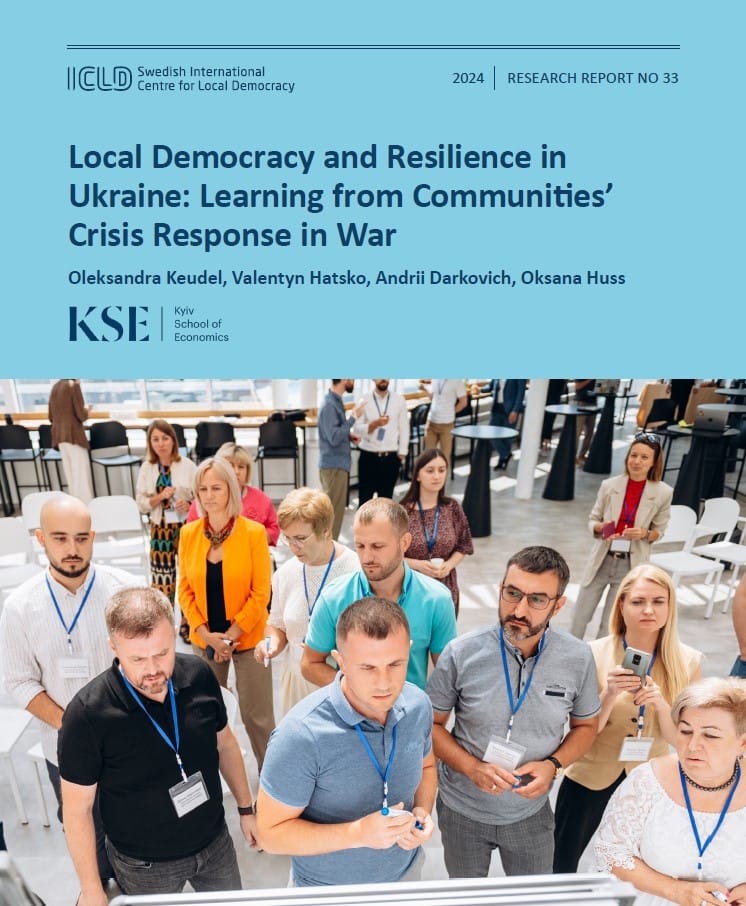
Local Democracy and Resilience in Ukraine: Learning from Communities’ Crisis Response in War
The research report explores the resilience of local self-governments (LSGs) in Ukraine during the Russian invasion, highlighting their crucial role in crisis response despite significant challenges. LSGs have adapted to wartime conditions by relocating operations, managing resource shortages, and engaging with citizens and stakeholders to meet critical needs such as infrastructure repair, IDP support, and…

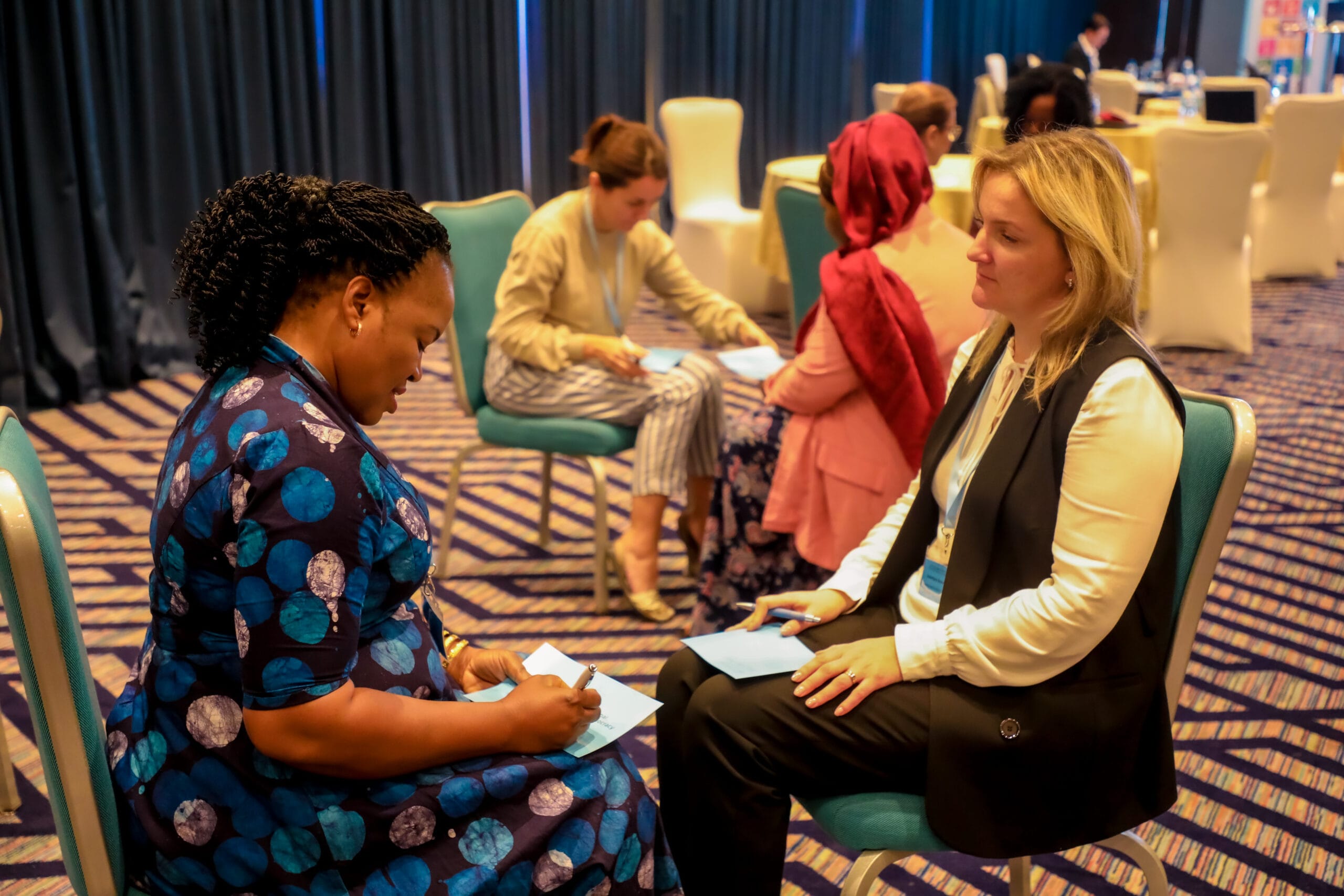
ICLD launches empowering new cohort for Women’s Political Leadership
ICLD is thrilled to announce the acceptance of a fresh cohort of participants for the Women’s Political Leadership (WPL) programme. Comprising 23 dynamic women leaders—including mayors, deputy mayors, and governors from across the OECD-DAC region—this programme marks the eleventh round of a transformative initiative aimed at empowering women in local politics. This year’s group includes…

Fostering Women’s representation in Local Democracy – A Qualitative Analysis of the Factors Surrounding Female Political Participation at a Mayor Office Level in Colombia
This study critically examines the gendered experiences of female political candidates running for mayoral offices in Colombia. It addresses the systemic exclusion women face in a patriarchal political system, compounded by economic constraints, political violence, and societal norms. Through seven qualitative interviews, the research identifies the strategies used by women to overcome these barriers. The…
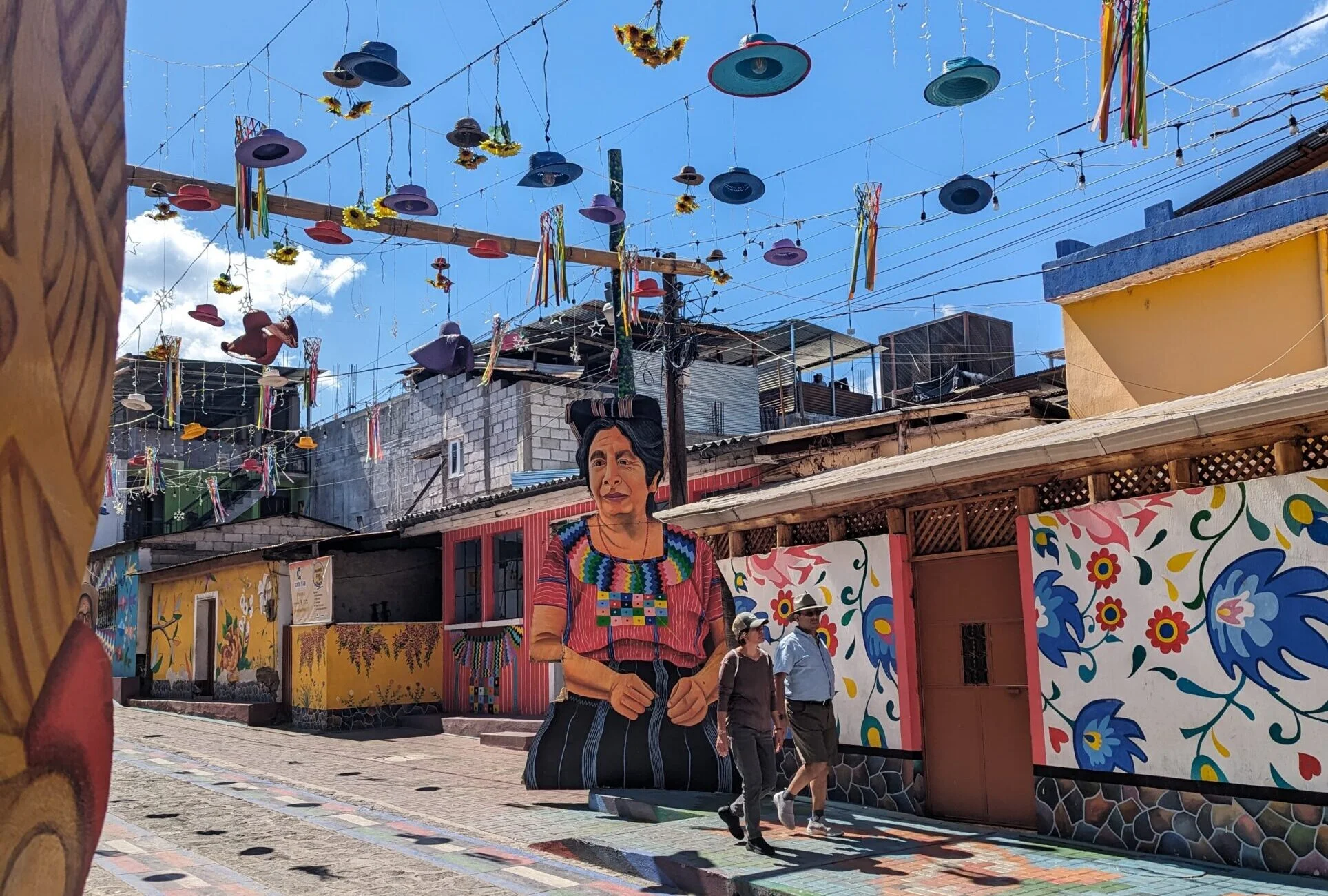
QCSOs, Mobilization and Democratization: A Case Study of the 2023 Post-Election Protests in Guatemala
This research examines the essential role of Quotidian Civil Society Organizations (QCSOs) in Guatemala’s efforts to resist autocratization and promote democratization, particularly in light of the 2023 electoral scandal. It studies the mobilization efforts of indigenous and non-indigenous communities, by exploring how QCSOs tackle cultural, economic, and political challenges to support democratic resilience. Using an…