


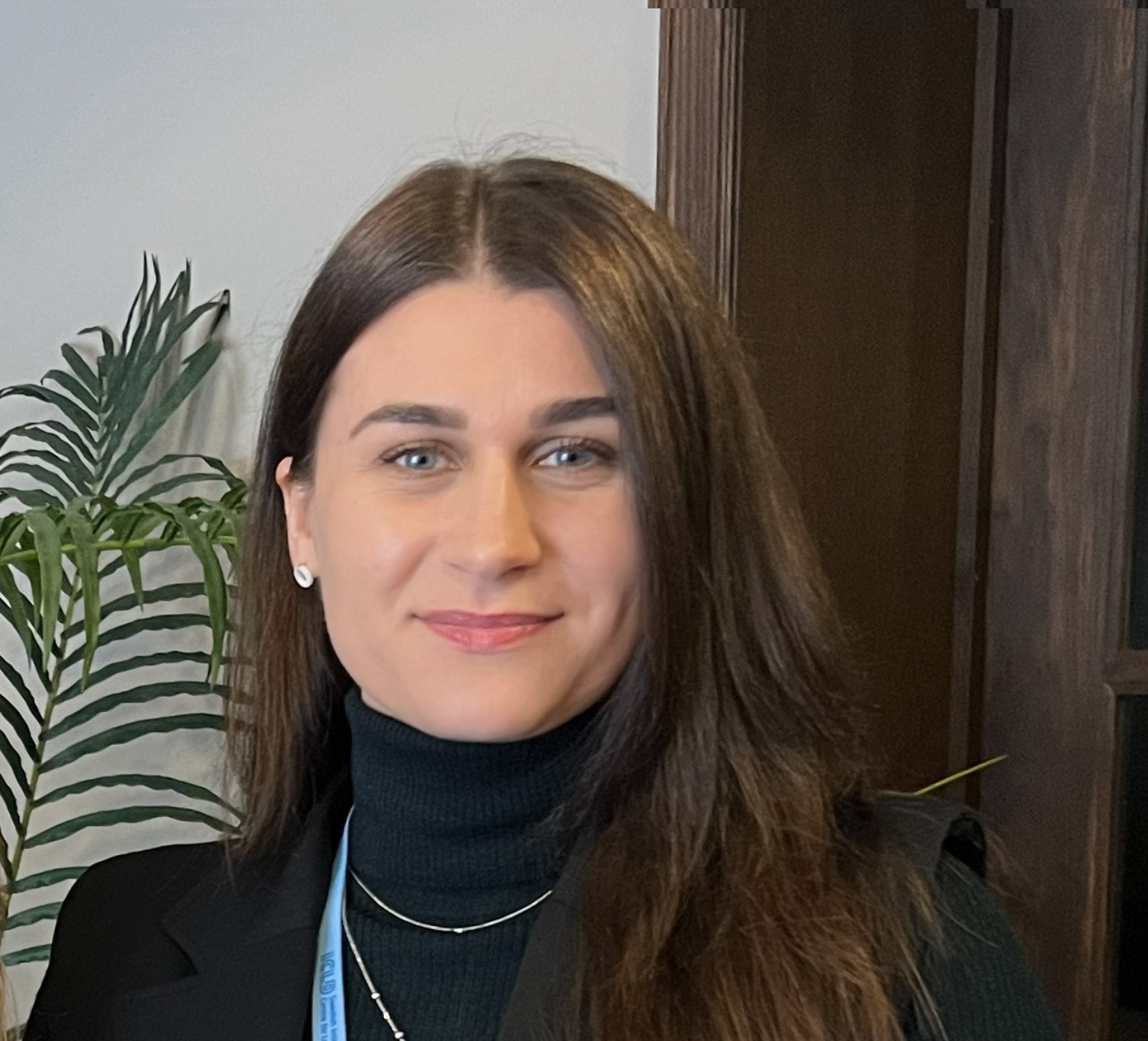
Name: Mariya Tuzyk
Country: Ukraine
How long have you been a mentor and how did you learn about ICLD?
I have been a mentor in the ICLD Municipal Partnerships Programme since April 2024. I was first introduced to ICLD through my participation in the Human Rights Based Approach programme, which later led me to the opportunity to become a mentor supporting Ukrainian–Swedish municipal partnerships.
Areas of Expertise?
My areas of expertise include international cooperation and municipal partnership development, EU integration at the local level and alignment with EU frameworks, strategic and problem oriented project planning and project management, and cross sector cooperation supporting collaboration between municipalities, civil society, and local stakeholders to design and implement inclusive and sustainable local initiatives. I also have strong experience in grant writing and in the design, coordination, and implementation of humanitarian and recovery projects in close cooperation with international donors and local partners, particularly in crisis and post crisis contexts.
Why did you become a mentor?
I became a mentor to support municipalities in building strong, long term international partnerships and to help translate democratic values and international cooperation frameworks into practical local action. Mentoring allows me to support municipalities in developing cooperation that is mutually beneficial, where both partners learn, strengthen their capacities, and gain new perspectives. Through this role, I aim to help partnerships move beyond short term projects towards long term collaboration that creates shared value, strengthens democratic practices, and contributes to sustainable local development in both partner municipalities.
Why do you like to mentor?
I enjoy mentoring because it is a genuinely two way process that creates shared value for everyone involved. Through mentoring, I support municipalities in shaping ideas into structured, realistic, and meaningful cooperation, while at the same time learning from their local contexts, experiences, and ways of working. Each partnership brings new perspectives that deepen my understanding of local democracy and international cooperation.
I particularly value supporting partnerships in developing cooperation that delivers benefits for both sides, not only through concrete project results, but also through strengthened capacities, trust, and long term relationships. Helping partners identify common interests, align expectations, and design initiatives that respond to local needs while contributing to broader democratic and development goals is a central and rewarding part of my role.
Mentoring also allows me to work closely with people who are deeply committed to their communities. I value the trust that develops over time between partners and me as a mentor, and I find it especially motivating to support municipalities in strengthening their capacity to collaborate across borders, sectors, and institutional cultures. Seeing partnerships evolve from initial ideas to well grounded projects, shared ownership, and sustainable long term cooperation is one of the most rewarding aspects of mentoring.
I see mentoring as a space for reflection and continuous learning, where challenges can be openly discussed and turned into opportunities for growth. In contexts of crisis and uncertainty, mentoring becomes even more meaningful, as it supports municipalities in staying focused on democratic values, inclusion, and sustainable development while building resilience and mutual understanding through international cooperation.
What are the success factors for building a dynamic, inclusive and professional mentoring culture?
A dynamic, inclusive, and professional mentoring culture is built on a foundation of trust and mutual respect. Clear roles, shared expectations, and well-defined objectives provide structure and professionalism, while flexibility allows mentoring relationships to respond to different institutional contexts, capacities, and changing circumstances. Mentoring works best when it is understood as a two way learning process, where both mentors and partners contribute knowledge, experience, and reflection.
Inclusivity is strengthened when mentoring actively creates space for diverse voices and perspectives, including different professional roles, generations, and local stakeholders. This requires conscious attention to participation, openness to dialogue, and sensitivity to power dynamics. Grounding mentoring in real local challenges helps ensure relevance and encourages ownership, while recognizing that different municipalities may move at different speeds and require tailored support.
A strong mentoring culture also depends on continuity and regular interaction. Ongoing dialogue, structured reflection, and honest feedback allow partnerships to learn from both successes and challenges, and to continuously improve their way of working. A successful mentoring culture focuses on long term impact rather than short term results. By promoting shared responsibility, cross-sector cooperation, and relationship building, mentoring contributes to sustainable partnerships, strengthened democratic practices, and increased institutional capacity.
In this way, mentoring becomes not only a support mechanism, but a catalyst for resilience, innovation, and meaningful international cooperation.
What is the most challenging thing while being a mentor?
One of the most challenging aspects of being a mentor is balancing structure with flexibility. Municipalities work in very different contexts, with varying capacities, institutional cultures, and external pressures, especially in times of crisis and uncertainty. As a mentor, it requires continuous judgement to provide clear guidance while remaining adaptable to changing needs and realities.
Another challenge is supporting partnerships to sustain momentum and shared ownership over time. Competing priorities, limited capacities, and external pressures can affect engagement, and mentoring often involves helping partners manage expectations, stay aligned, and continue learning together.
What is your passion in life?
My passion is contributing to meaningful and sustainable change through cooperation and dialogue at the local level. I am particularly motivated by supporting municipalities as they strengthen democratic practices and align their local governance with European values and standards as part of Ukraine’s EU integration process. I value seeing how municipalities learn, build capacity, and translate this progress into tangible outcomes, stronger institutions, more inclusive decision making, and lasting partnerships that create real value for their communities.