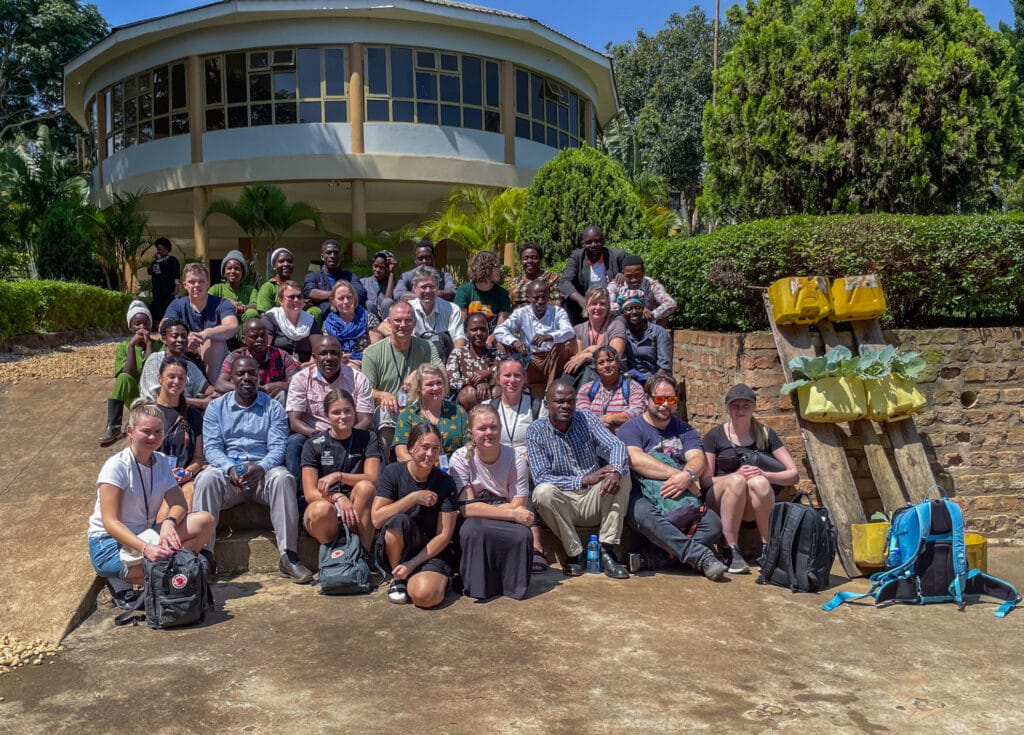
The ICLD-funded partnership project “Education for Mindset Change” between Kalix Municipality and Masaka City in Uganda has played a key role in transforming education for children and young people. By focusing on reducing the impact of plastics and fostering sustainable communities, the collaboration between Kalix and Masaka aims to inspire and empower future generations.
From 2020 to 2023, the Kalix municipality, in partnership with the City of Masaka in Uganda, ran a municipal partnership project that aimed to raise awareness among children and young people about the environmental impact of plastic. The project focused on increasing understanding of plastic use, waste management, and its ecological consequences.
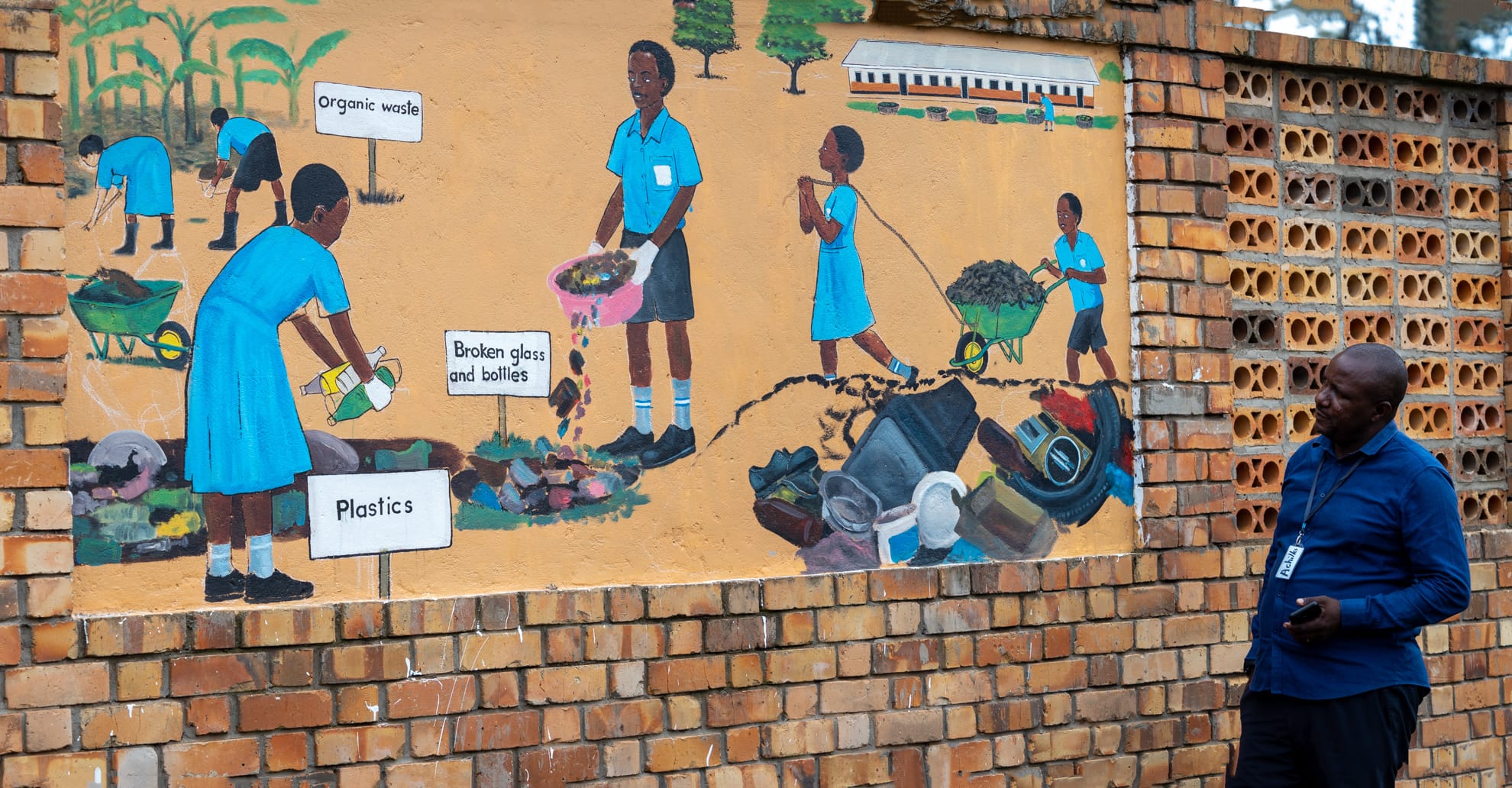
Throughout the project, efforts were made to reduce plastic consumption and promote reuse and recycling. Students and teachers played a central role as key stakeholders, while locally rooted organizations and other entities involved in purchasing and recycling plastic also contributed significantly to the project’s success.
Practical Methods for Deeper Environmental Understanding
The methodology used by the partnership is known as “education for sustainable development”, which involves working across disciplines to address complex societal challenges and equip students with the tools to understand and analyse sustainability issues.
Schoolchildren from Kalix took part in a study visit to Luleå University of Technology where they were introduced to a research project on microplastics. The student-active study visit inspired the students’ learning and sparked continued interest in the research project. Additionally, the students and teachers collected snow samples from various locations within Kalix municipality, which were then studied under a microscope to detect the distribution of microplastics in the local environment. As a result of the study visit and microscopic results, the students gained a deeper understanding of the impact of plastic and how it spreads from, for example, from the urban areas, forests and roads.
The work carried out in Kalix is just one concrete example of how this methodology can be applied in practice. The schoolchildren had the opportunity to deepen their understanding of sustainability through an engaging and hands-on project.
The same methodology used in Kalix has also been in implemented in Masaka, the partnership municipality, following a similar structure and approach.
Erika Blombäck and Maria Strömberg, both teachers and former project managers within the partnership, believe that it is action competence and mindset change that will shape the citizens of the future.
”Through practical investigative work, curiosity, and commitment are fostered,” states Erika Blombäck.
Interest Spreads in Masaka
By collecting and recycling waste, schools in both Kalix and Masaka have taken important steps towards a more sustainable future.
In Masaka, compost waste from school meals is now used as fertilizer. In Kalix municipality, schools have introduced their own system for sorting and recycling waste. Sustainability councils have also been established in a few of the schools in Kalix to ensure students´ perspectives are included in decision-making processes, with plans to extend this to all municipal schools.
The project continues to inspire even after its formal conclusion. Schools in Masaka municipality that were not directly involved in the project have expressed interest in initiating similar initiatives. Participating schools in Masaka now serve as ambassadors driving local change. A concrete outcome of this is that the municipality has appointed environmental managers whom connect decision-makers with the local community.
Although the project has ended, the collaboration between Kalix and Masaka continues. The partnership is now exploring other thematic areas, such as the inclusion of children and young people, as well as sustainable development and democracy. The commitment to building a more sustainable future is clear!
Read more on the project: Kalix and Masaka