Inclusive leadership and governance

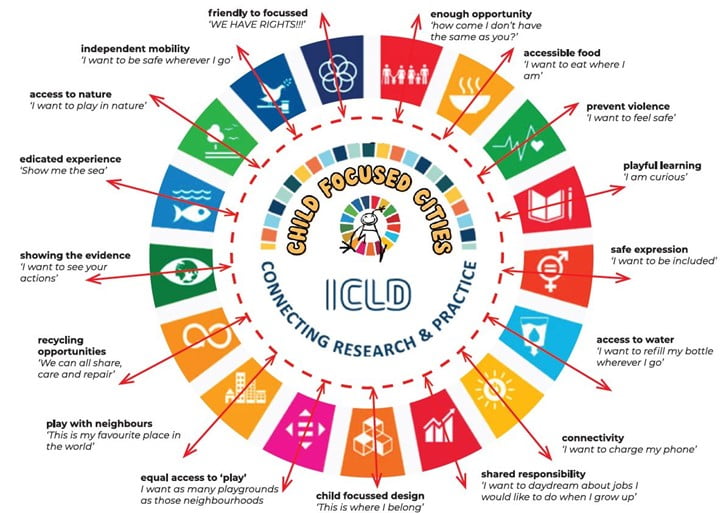
Child-Focused Cities Analytical Framework
This research project, aiming to develop an analytical tool to address the Sustainable Development Goals from a child rights perspective, is divided into multiple steps. Phase two, conducted in 2023-2024 is described first while phase 1, which served to build the conceptual groundwork for the analytical framework, is described after. Phase 2 – Child-Focused Cities…

Child Participation in the City of Vienna
With the UN Convention on the Rights of the Child as starting point, discussants are invited to use Vienna’s commitment to implement a child and youth strategy to reflect on how to build such a strategy that achieves meaningful child and youth participation. The Facilitator Guide introduces helpful concepts and tools: Lundy’s Model of Participation…

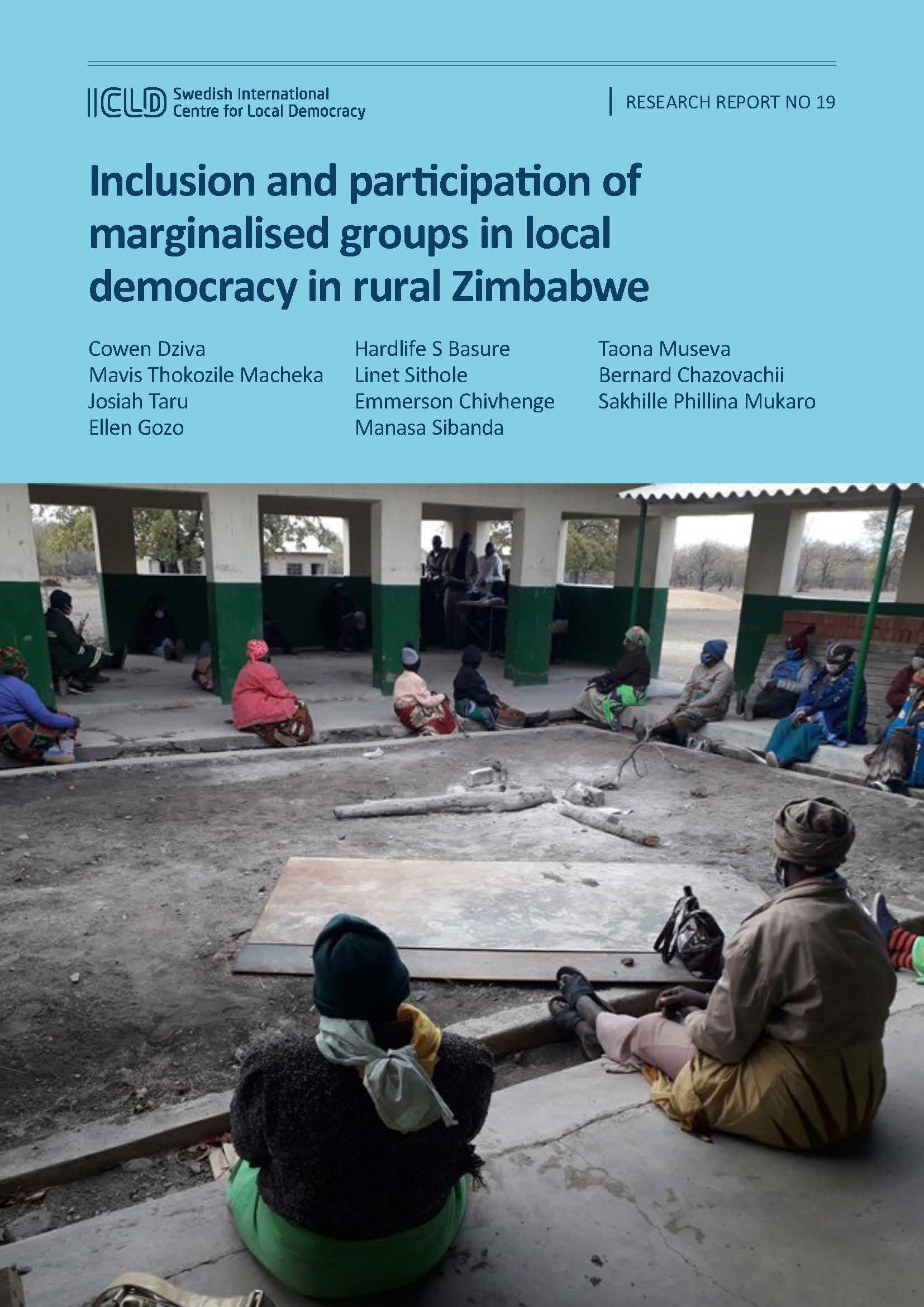
Inclusion and participation of marginalised groups in local democracy in rural Zimbabwe
This study on the extent of marginalised groups’ participation in local democracy in rural Zimbabwe adopts a mixed research approach: data were gathered through self-administered questionnaires, focus group discussions, key informant interviews and document review. Results show that varied mechanisms exist – including the national Constitution, policies, and institutional frameworks – that allow for the…

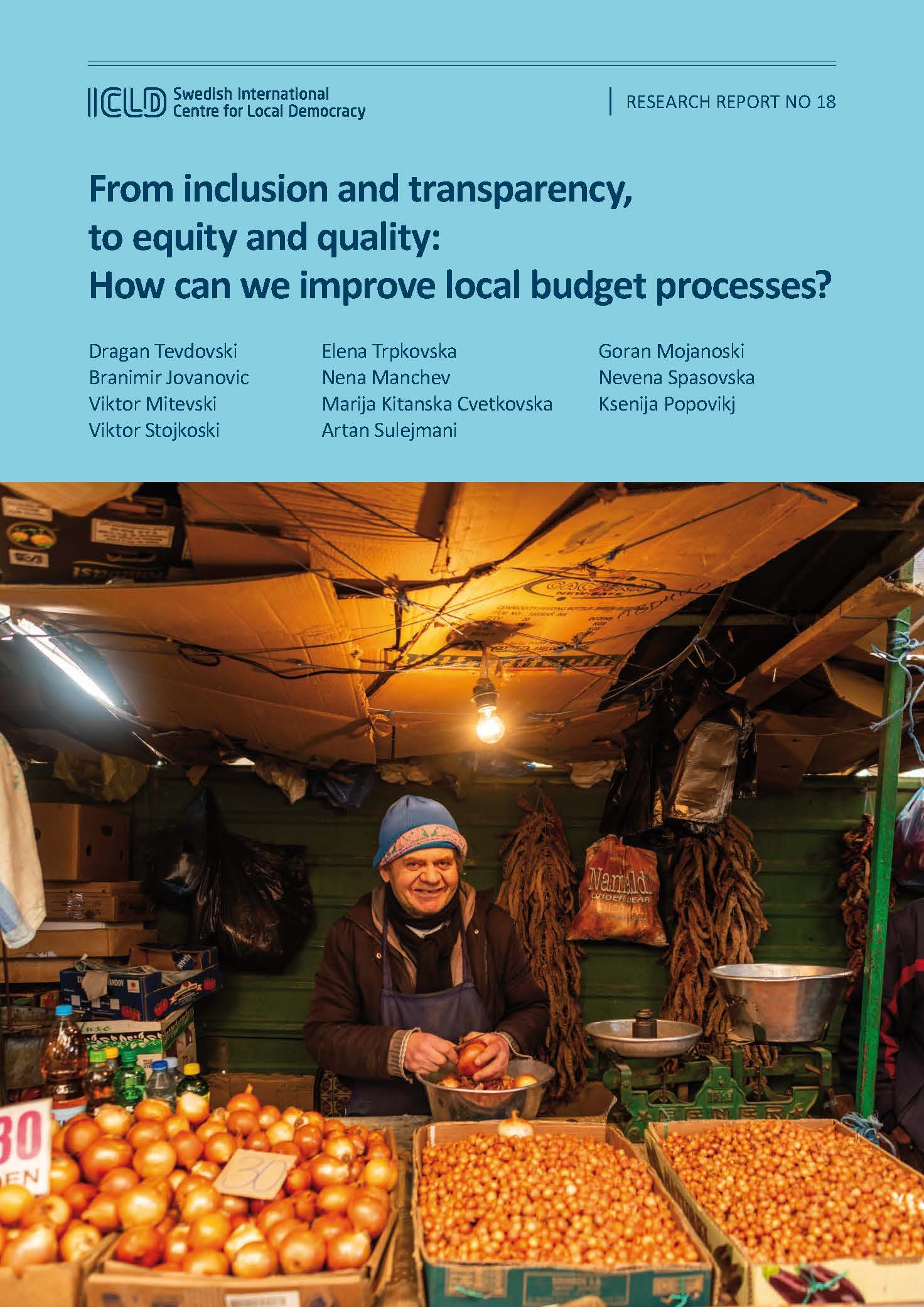
From inclusion and transparency, to equity and quality: How can we improve local budget processes?
The objective of this project is to investigate how equitable, inclusive, transparent and accountable budget processes are at local government level and to propose measures for their improvement. The analysis included four pilot municipalities in North Macedonia, selected to represent different geographic locations and socio-economic characteristics. We employed different methods to assess the current state…

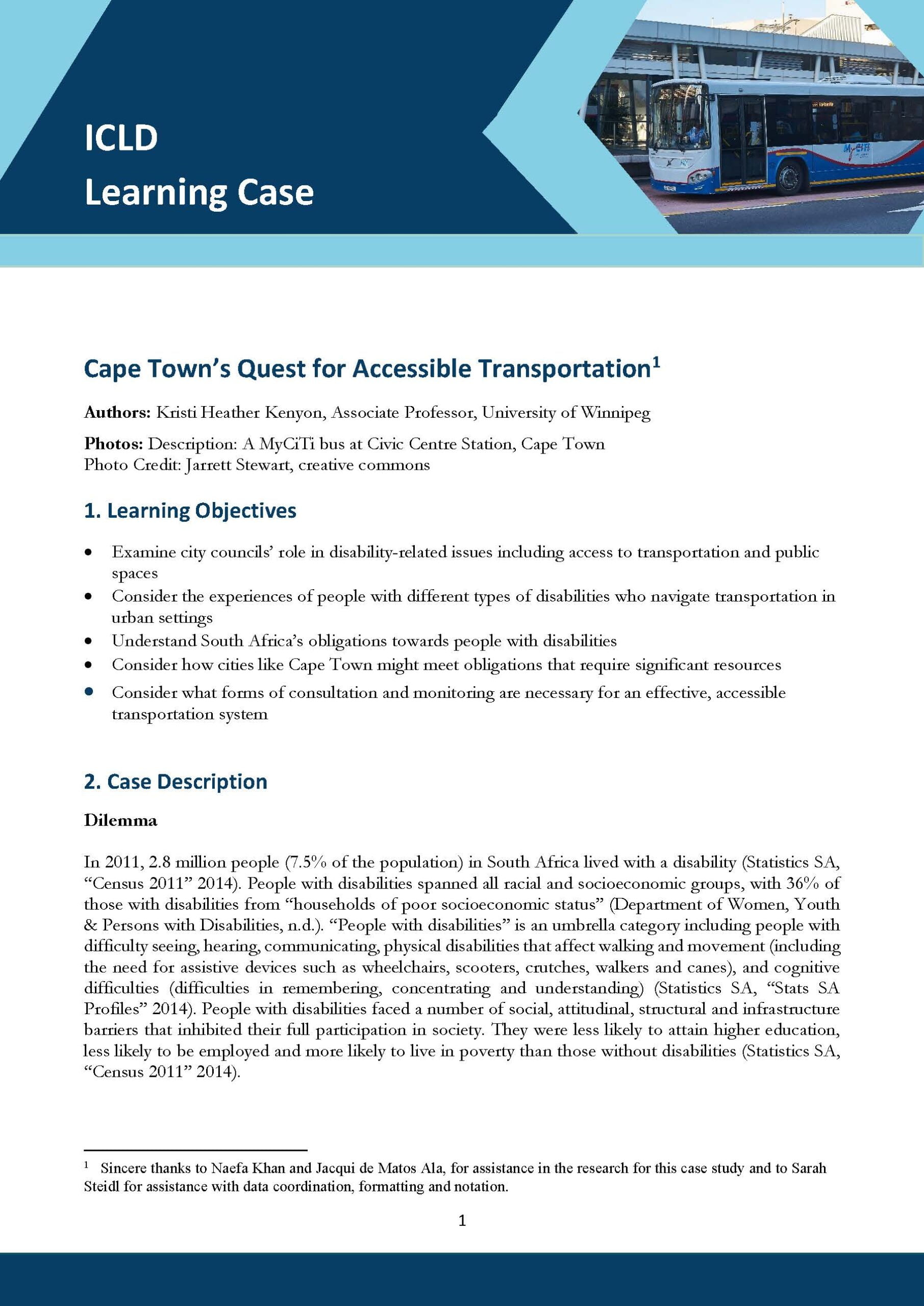
Cape Town’s Quest for Accessible Transportation
Key concepts: Spatial Inequality, Social Inclusion, Disability Rights As in many countries in the world, people with disabilities in South Africa face a number of social, attitudinal, structural and infrastructure barriers that inhibit their full participation in society. Accessible transportation can be one way to overcome some of these barriers and allow for access to…

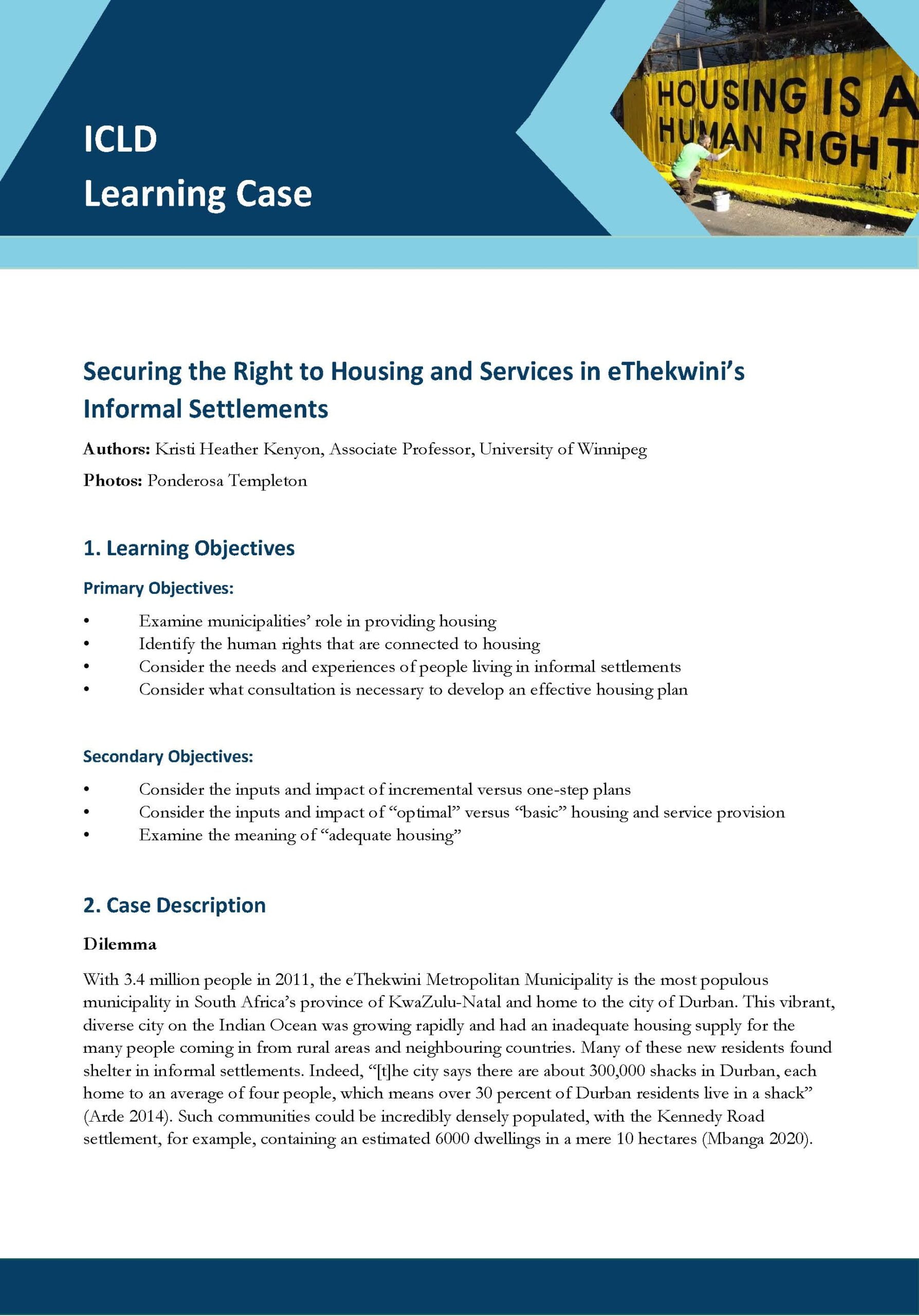
Securing the Right to Housing and Services in eThekwini’s Informal Settlements
Key Concepts: Spatial Inequality, Right to Housing Like other major cities in South Africa, Durban’s eThekwini Metropolitan Municipality faces a growing population fuelled by migration from both rural areas and neighbouring countries. Many new residents find shelter in informal settlements which are, although real communities, often overcrowded and unsafe, lacking critical infrastructure. The municipality’s Human…

Sexual Orientation and Human Rights in Botswana – The City of Gaborone’s role
Botswana stands out in the African context for its unique approach to Lesbian, Gay, Bisexual, Transgender (LGBT) issues. In addition to societal stigma, their sexual behaviour was criminalized by the penal code. Gaborone City Council did not have jurisdiction over the legalization of same-sex sexual activity or identity, but it did have an important voice…
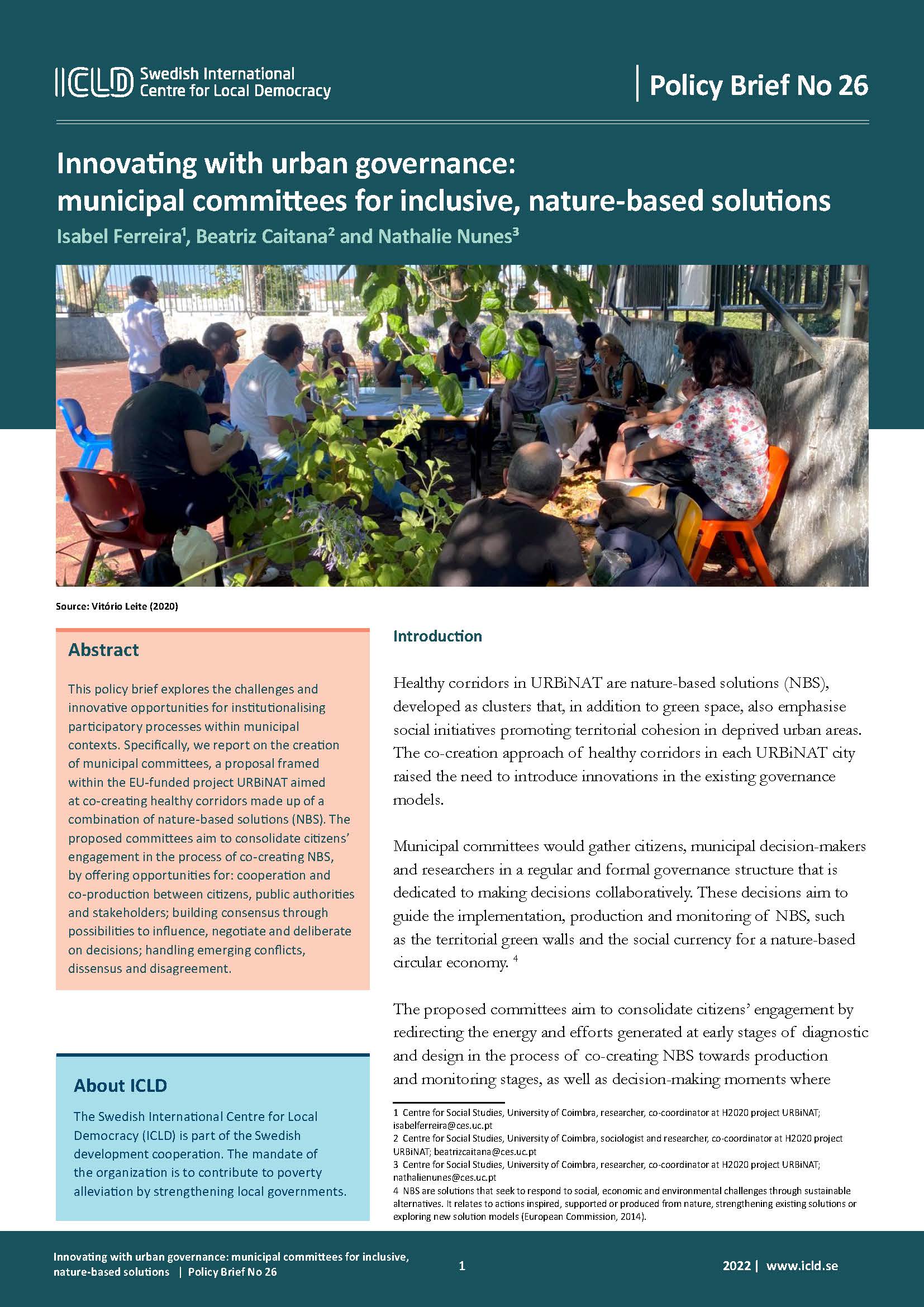
Innovating with urban governance: municipal committees for inclusive, nature-based solutions
This policy brief explores the challenges and innovative opportunities for institutionalising participatory processes within municipal contexts. Specifically, we report on the creation of municipal committees, a proposal framed within the EU-funded project URBiNAT aimed at co-creating healthy corridors made up of a combination of nature-based solutions (NBS). The proposed committees aim to consolidate citizens’ engagement…

ICLD Annual report 2021
Welcome to find out what the we did in 2021 through our Annual Report!