
Serbia

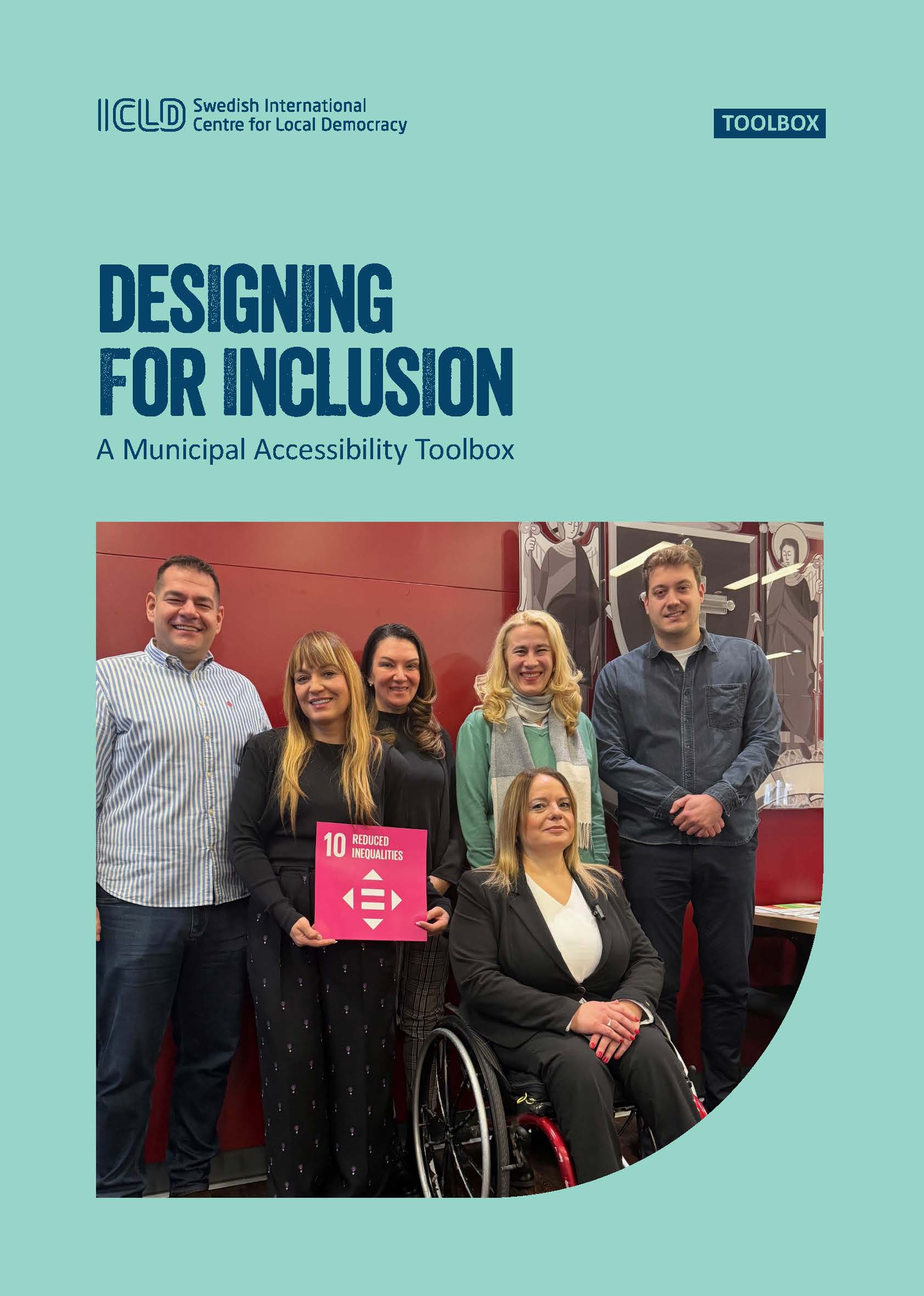
Designing for Inclusion
A Municipal Accessibility Toolbox Editors: Felicia Wede and Irena Lakobrija Delić This toolbox is based on the Guidelines for Accessibility and Universal Design for Cities and Municipalities, developed by Vračar Municipality in partnership with Borås City, Sweden. It translates these guidelines into practical support for municipalities to plan and deliver accessible services, emphasising the need…

Borås and Vračar – Advancing Inclusion and Accessibility
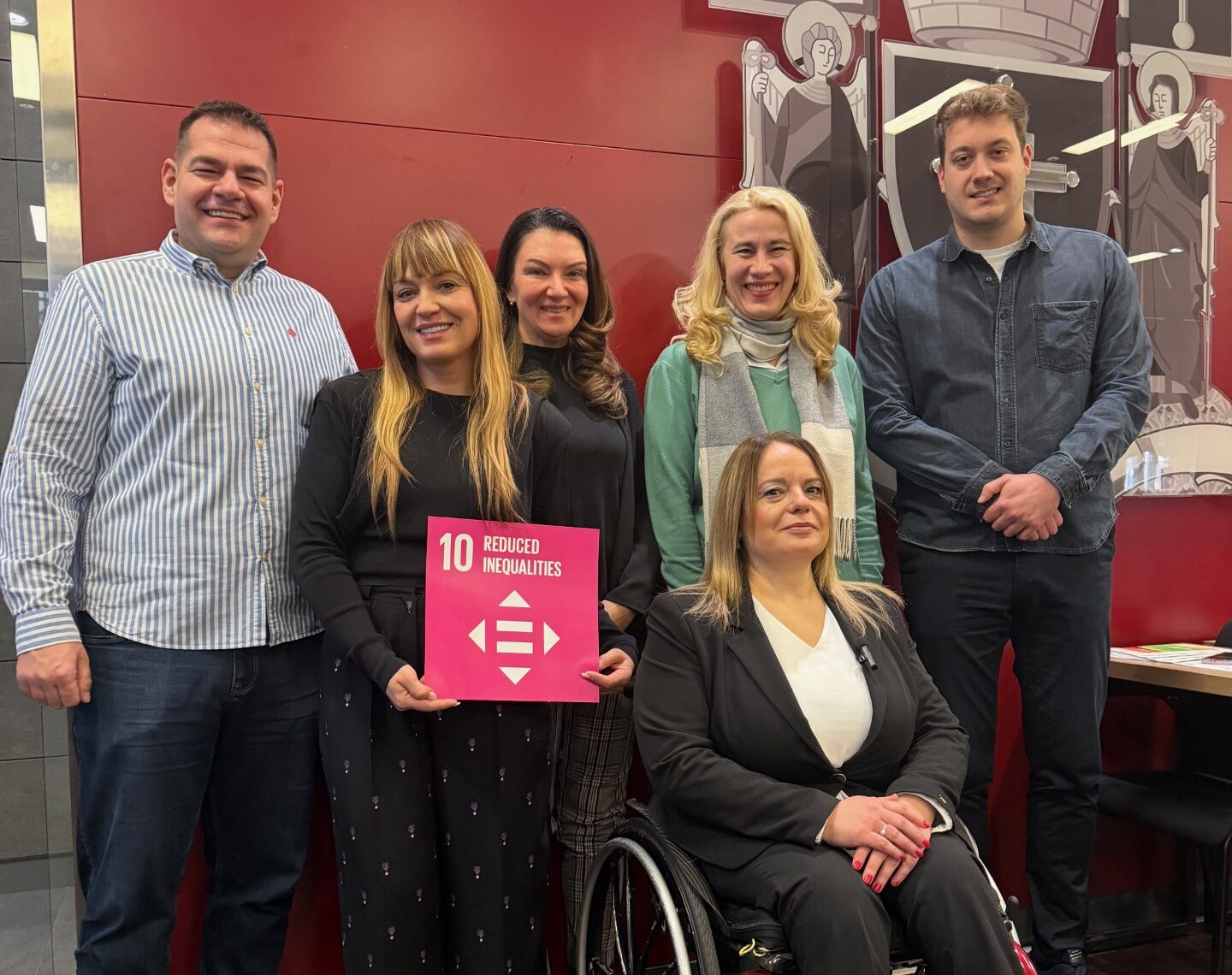
The Serbian municipality of Vračar has taken significant steps to strengthen inclusion for people with disabilities. Since launching a municipal partnership with the City of Borås in 2021, aimed at increasing influence and participation for people with disabilities, the cooperation has led to both stronger organisational structures and concrete improvements in practice. A key outcome…

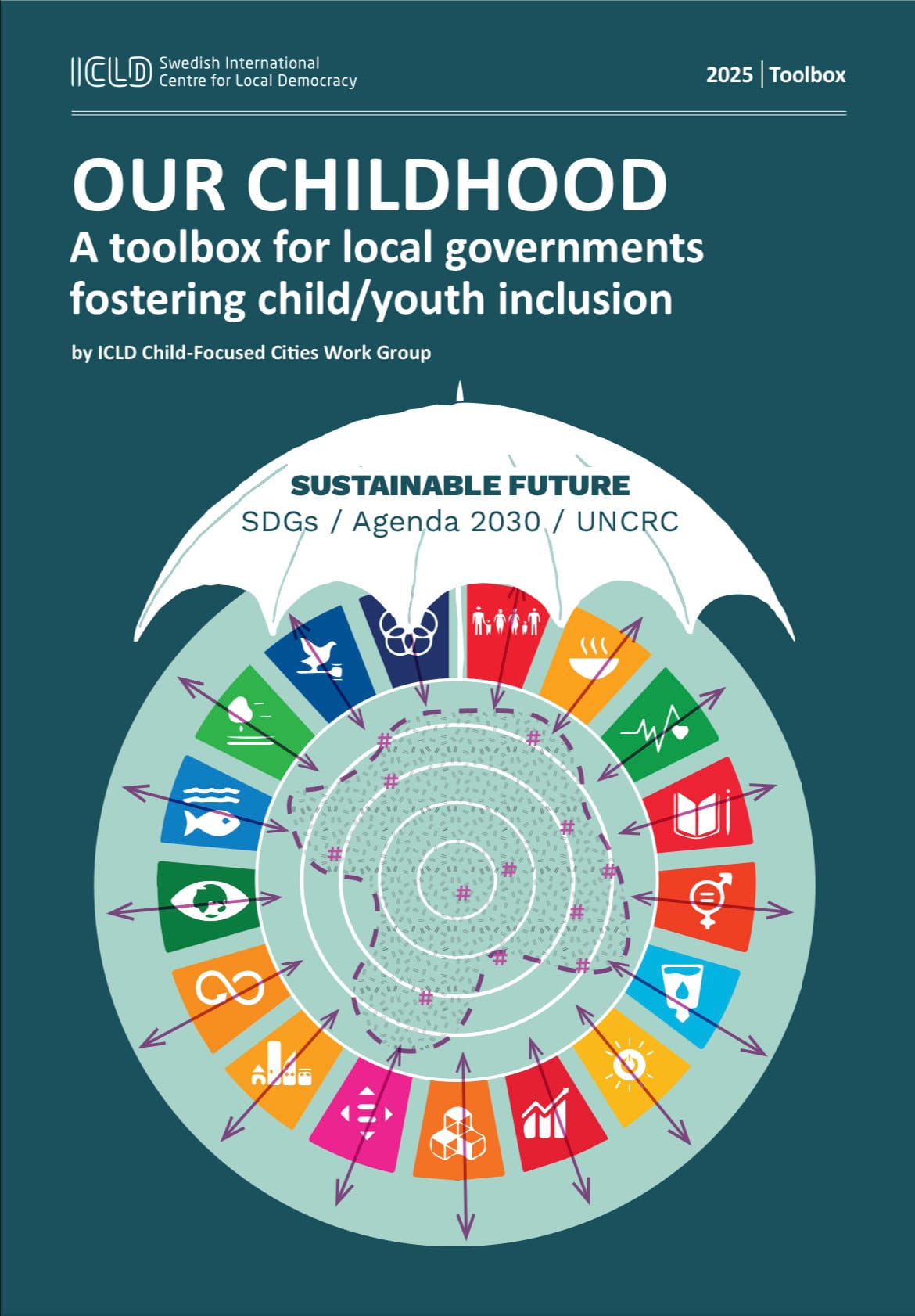
Our Childhood: A toolbox for local governments fostering child/youth inclusion
Our Childhood toolbox aims to support local governments in their attempts to sensitise and include children and youth in local (political) affairs while pursuing the UN Sustainable Development Goals (SDGs). The toolbox enables long-terms, cross-sectoral collaborations for inclusion of children and youth in localising SDGs. It offers support to local governments and engaged practitioners in…

Collaborative efforts in Borås and Vračar for Disability Inclusion
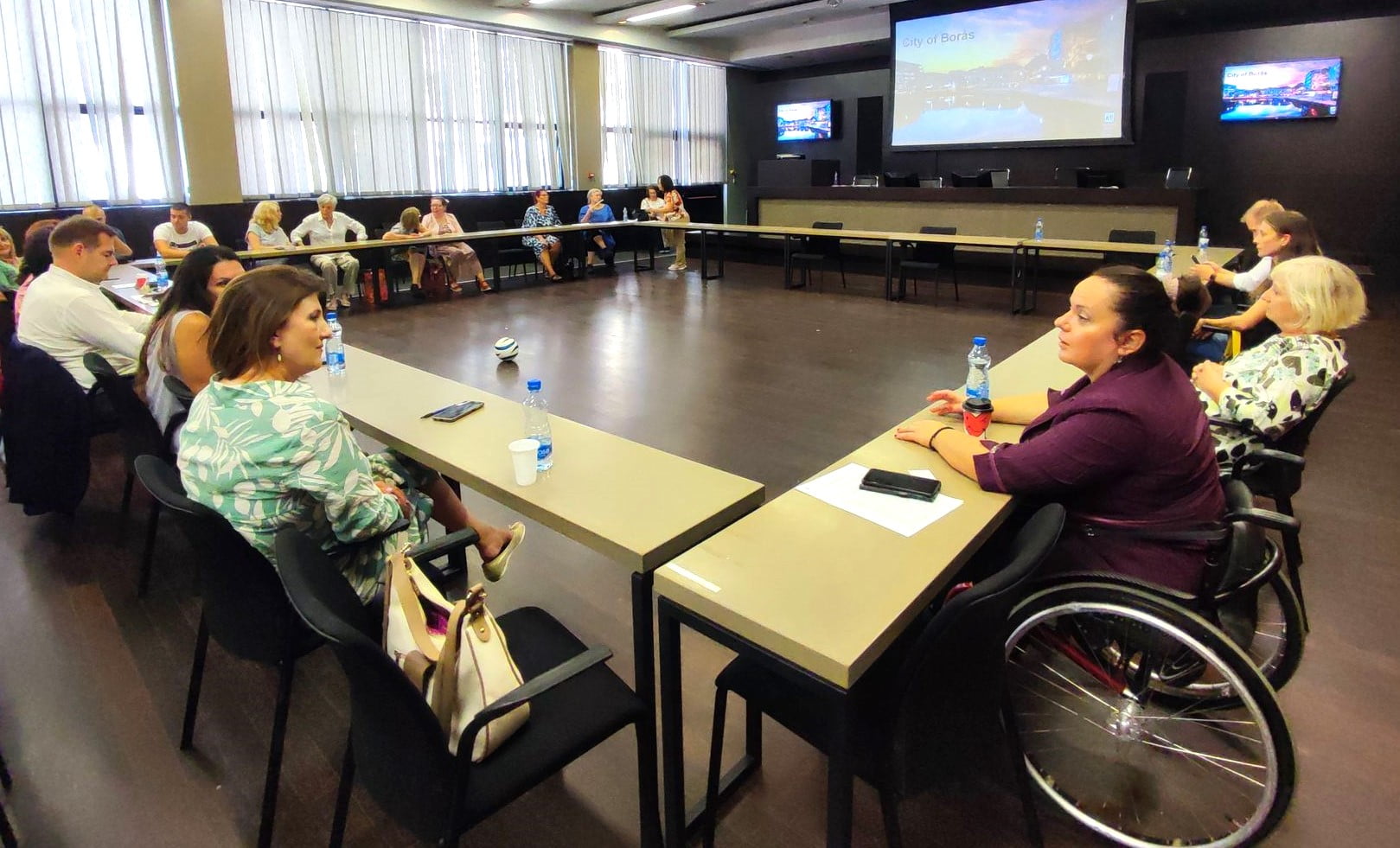
The partnership project between Borås Municipality and the municipality of Vračar in Serbia is working to increase influence and participation for people with disabilities. Halfway into the project there are already tangible results to showcase. Vračar is one of the 17 district municipalities in the Serbian capital, Belgrade. Through the partnership with Borås Municipality, they…

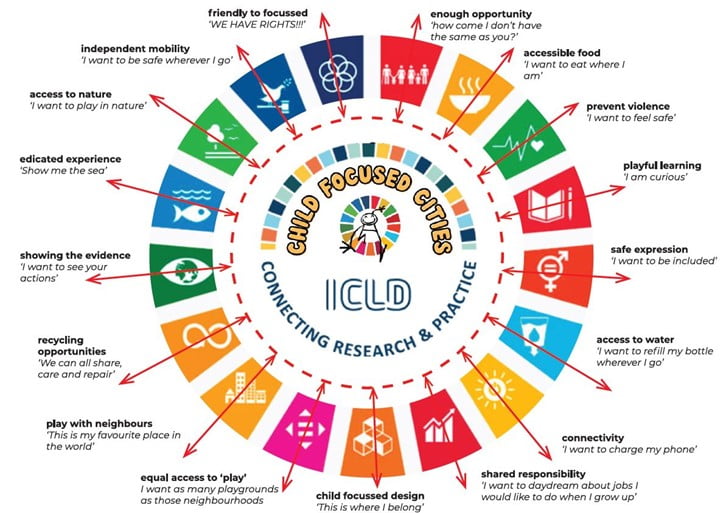
Child-Focused Cities Analytical Framework
This research project, aiming to develop an analytical tool to address the Sustainable Development Goals from a child rights perspective, is divided into multiple steps. Phase two, conducted in 2023-2024 is described first while phase 1, which served to build the conceptual groundwork for the analytical framework, is described after. Phase 2 – Child-Focused Cities…

Borås and Vracar – Serbia
Accessibility – organisation policy, structure and practice Both municipalities want to improve their capacity to reach out to and get input from people with disabilities, since they feel they are stuck in the “old way” of getting and giving out information. This causes a risk to fail to include the perspectives of people with disabilities…
Admission requirements
Invited countries All countries on the OECD-DAC listed ODA-eligible countries, are eligible for the programme, but if a local election is held during the year when the training takes place, the country is temporarily taken off the list. This is also aplicable if the country is having av election between August and December the current…
Programme structure
The training consists of three compulsory workshops, of which all three are full time scheduled trainings. Periods between workshops are homebased. The total duration of the programme is 12 months. When will cohort 12 take place:The Inception workshop will be held in late January 2026The Swedish Phase workshop will most likely take place in May 2026The Final workshop will take place…
Programme objectives
The programme aims to provide the following changes in the participant: During the training, the participant will work on her change process and implement a strategy to make the local authority equitable, participatory, transparent and accountable. Benefits: What we will offer: How? Change process The participant is expected to develop and work with a change process of…