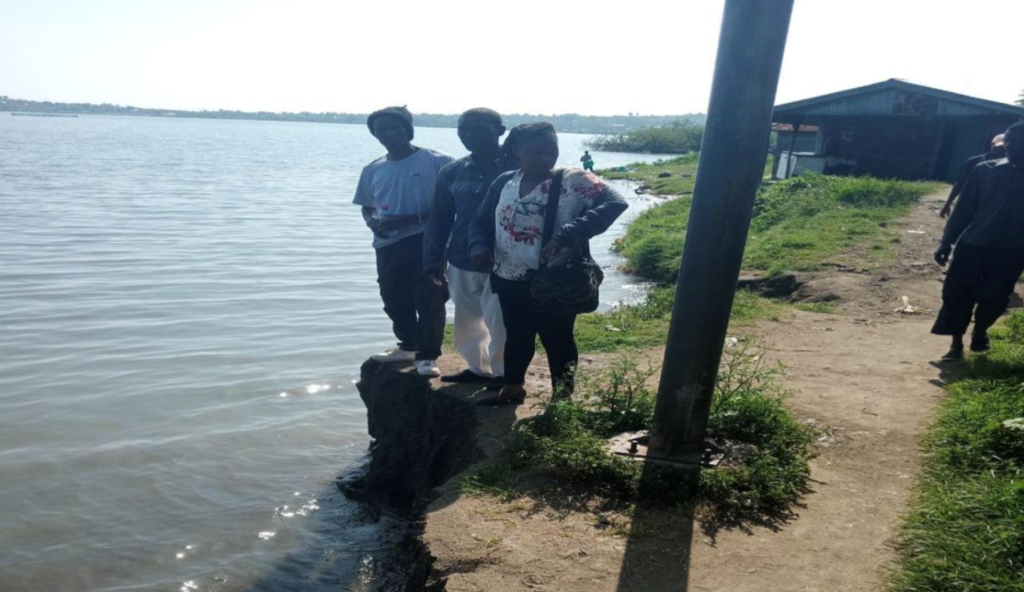
The Citizen Report Card (CRC) survey in Mfangano Island, Kenya, was conducted to assess local democracy and children’s rights. The survey is part of ICLD’s Municipal Partnership Programme (MPP), which partners Mfangano Island with Öckerö Municipality in Sweden to improve children’s rights awareness. Through this survey, citizens in Mfangano Island have the opportunity to provide feedback on their experiences with local governance and public services.
Survey Process
The survey was conducted across 350 inhabitants of Mfangano Island Municipality using a stratified random sampling method, ensuring that the sample represented the municipality’s demographics. The survey measured key areas of local democracy—participation, transparency, accountability, and equity—along with questions related to sexual and reproductive health services.
Demographic Profile of Respondents
- 52% of respondents were female and 48% were male.
- 57% of respondents lived below the absolute poverty line.
- 40% of respondents had an education level of high school and 18% had a university degree or above.
- 85% of respondents lived in rural areas and 15% in the town centre.
- 23% of the respondents were unemployed, 34% self-employed and 13% fishers.
Key Findings
1. Participation in Local Democracy
- The Participation Index showed an average score of 0.32, with women participating less in local democracy.
2. Transparency and Accountability
- The Transparency Index had an average score of 0.53, with no significant relation with any of the variables, meaning that no specific group find the local government less transparent.
- The Accountability Index had an average score of 0.45, including respondents with a lower education and respondents that are unemployed have lower knowledge of official complaint and don’t think it’s a useful way to influence the local government.
3. Children’s Rights
- The Service Delivery Index about accessing information on children’s rights had an average score of 0.66, with respondents with a higher education being more satisfied with the service delivery.
- Respondents under 35 years old and respondents living in rural areas are less satisfied with the service delivery.
- The index shows a negative relation between the satisfaction of service delivery and income, meaning that respondents with an income below the absolute poverty line are more satisfied with the service delivery than those respondents with higher incomes.
Key Takeaways and Recommendations
- Improving Youth Participation and Representation in Decision-Making: Local governments should ensure that young people are being heard and informed about any issues concerning them. They should also ensure young people to be represented by leaders of their own age in decision-making platforms.
- Collaboration Among Mentors: The county government should facilitate collaboration among teachers, local leaders and community leaders on children’s rights and participation.
- Protecting and Ensuring Rights: Local authorities should give all children freedom to express themselves and provide protection to the youth and children.
The Citizen Report Card provides the local government of Mfangano Island with valuable insights to help enhance local democracy, improve youth and children inclusion, and address the needs of marginalized groups in the community.
ICLDs Citizen Report Cards ToolBox