

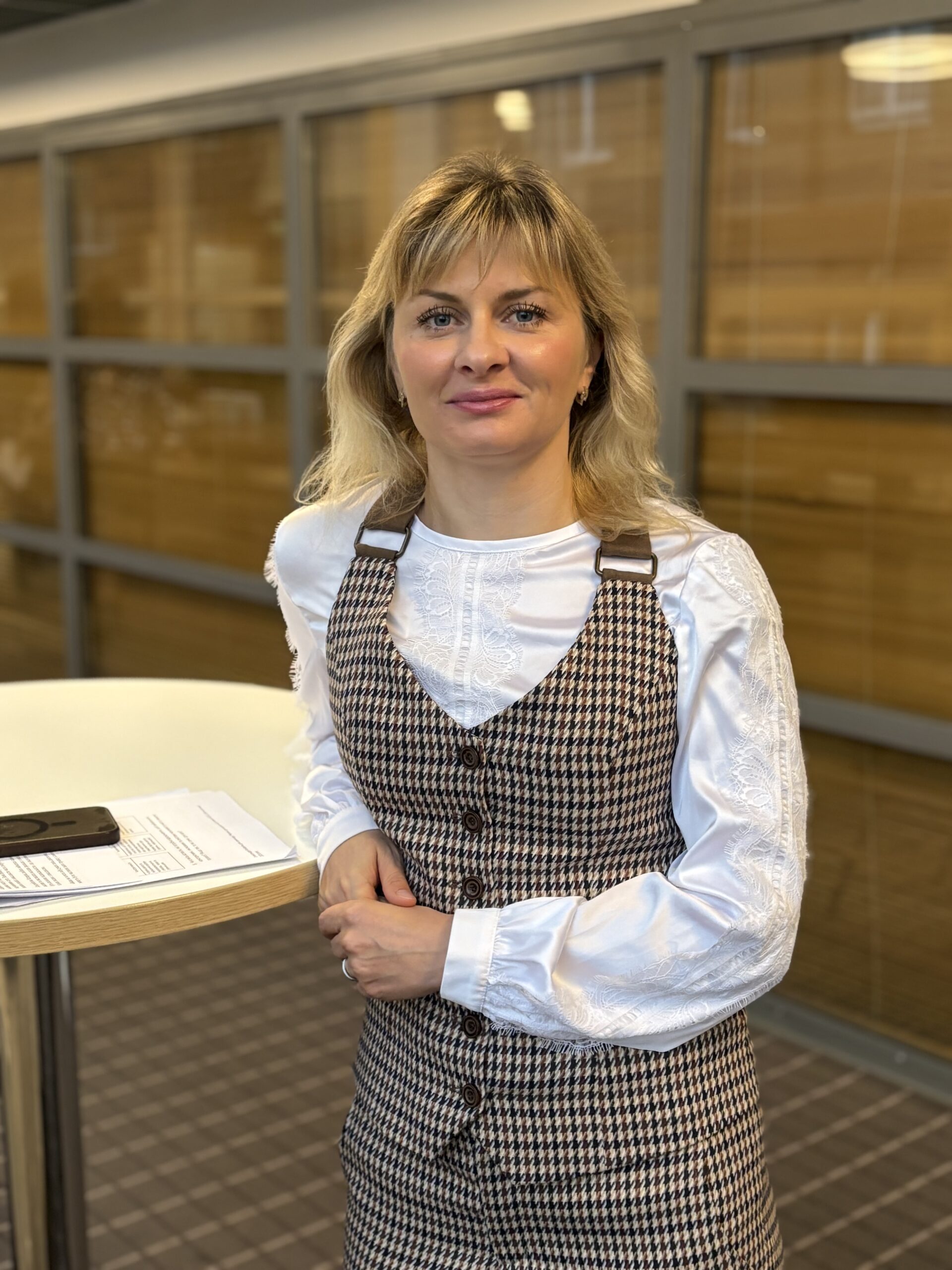
Name: Mariia Tyshchenko, PhD, Associate professor, honorary doctor of Malmo University (Sweden).
Country: Ukraine
How long have you been mentor and how did you learn about ICLD?
I have been working as a mentor since 2018. After serving as the Leader for Policy and Advocacy in the U-LEAD Program, which supported decentralization reform, I was recommended to take on mentoring roles—first in Georgia and later in several Balkan countries.
I learned about ICLD through this professional network and ongoing cooperation initiatives. I am currently a mentor in the Swedish-Ukrainian cooperation program.
Areas of Experience?
I’m an expert in community development, social cohesion and integrating GESI into social-economic activities, expert in civil society sector.
Why did you become mentor?
I became a mentor because my entire career has been dedicated to strengthening communities, promoting equal rights, and supporting those who work for positive change. For more than 20 years, I have collaborated with civil society organizations as an independent consultant, focusing on volunteer development, social cohesion, and equality.
During my time at the NGO “Poruch,” I led major social initiatives such as “Peace Schools’’, “Energy of Generations,” and “Social Mobilisation for Sustainable Development.” I also served as Coordinator of the Policy and Advocacy Unit in the U-LEAD Program.
My mentoring path has also been shaped by my work with international organizations. I contributed as an expert to IOM projects supporting the stabilization of Donetsk and Luhansk communities and assisting internally displaced persons, and I facilitated capacity-building programs for CSOs working with war-affected populations. Additionally, I have been engaged in youth initiatives, including leadership programs for Kyiv school students, orphans, and young social entrepreneurs.
I choose to be a mentor because I believe that a peaceful, inclusive, and prosperous future can only be achieved when dedicated people work together, guided by shared values and a commitment to meaningful development. Mentorship is my way of supporting this vision and helping others create lasting impact.
Why do you like to mentor?
I enjoy mentoring because I believe that personal success is built on the shared wisdom of others and our willingness to integrate that learning into everyday life.
Throughout my work with communities in Ukraine, the Balkans, Georgia, and other countries—including those deeply affected by conflict and displacement—I have seen how guidance, compassion, and knowledge-sharing can transform both individuals and entire communities. Much of my professional life has been dedicated to supporting people living through war, displacement, and social transition. Working with civil society organizations, local leaders, youth, and vulnerable groups, I have witnessed how even small insights or skills can spark meaningful change.
This is why I mentor: to help people unlock their potential, rebuild confidence, and strengthen their capacity to create solutions within their communities. I often say that personal development creates what I call The Ripple Effect: progress moves from person to person and from group to group, gradually improving our shared world.
When we stand on the shoulders of those who came before us, we can see farther, do more, and lead better. Mentoring allows me to contribute to this ripple—supporting others so that together we can build peaceful, resilient, and inclusive societies. We have begun to ripple; let’s continue together.
What are the success factors for building dynamic, inclusive, and professional mentoring culture?
Successful mentoring cultures are built on a foundation of trust, inclusion, and professionalism. In my experience—especially working as a bridge between local and central government—effective mentoring emerges when relationships are transparent, respectful, and grounded in shared goals.
First, trust is essential. Mentors and mentees must feel safe to exchange ideas, admit challenges, and explore solutions honestly. Trust allows people to grow, experiment, and learn without fear of judgment.
Second, an inclusive GESI (Gender Equality and Social Inclusion) approach is crucial. A mentoring culture becomes truly dynamic when it values diverse perspectives, ensures equal participation, and actively includes those who are often excluded—whether due to gender, age, background, or lived experience. Inclusion strengthens creativity, problem-solving, and community ownership.
Third, transparency and honesty create professionalism. Clear expectations, open communication, and integrity allow mentoring relationships to function smoothly and produce real results. When both sides understand the process and feel respected, collaboration becomes more meaningful.
Finally, strong mentoring cultures thrive when they connect different levels of society. My work linking local and central government has shown that when knowledge flows across institutions, sectors, and communities, mentorship becomes a powerful tool for strengthening governance, improving decision-making, and empowering leaders at all levels. Together, these factors—trust, inclusion, transparency, honesty, and constructive connections—form the core of a vibrant, inclusive, and professional mentoring culture.
What is the most challenging thing while being a mentor?
The most challenging aspect of being a mentor is ensuring that both the mentor and mentee are aligned—looking in the same direction—while building strong trust. Mentoring is not just about sharing knowledge; it is about creating a shared vision and motivating communities to move forward together.
In my experience, guiding local leaders and communities toward integration with European standards requires patience, mutual understanding, and consistent trust-building. Maintaining alignment on goals, while respecting diverse perspectives and contexts, is both the challenge and the reward of mentorship.
What is your passion in life?
Since 2014, when the war started, my life shifted from a primarily academic path to active engagement in the civil society sector. My passion has been devoted to promoting peace, sustainable development, and European integration.
Every aspect of my work and life is connected to this mission—supporting communities, strengthening civil society, and empowering people to contribute to a prosperous, inclusive, and peaceful future.
I firmly believe that every piece of peace we achieve must be protected, and this conviction drives me every day and gives purpose to all that I do.