Elisa Arond

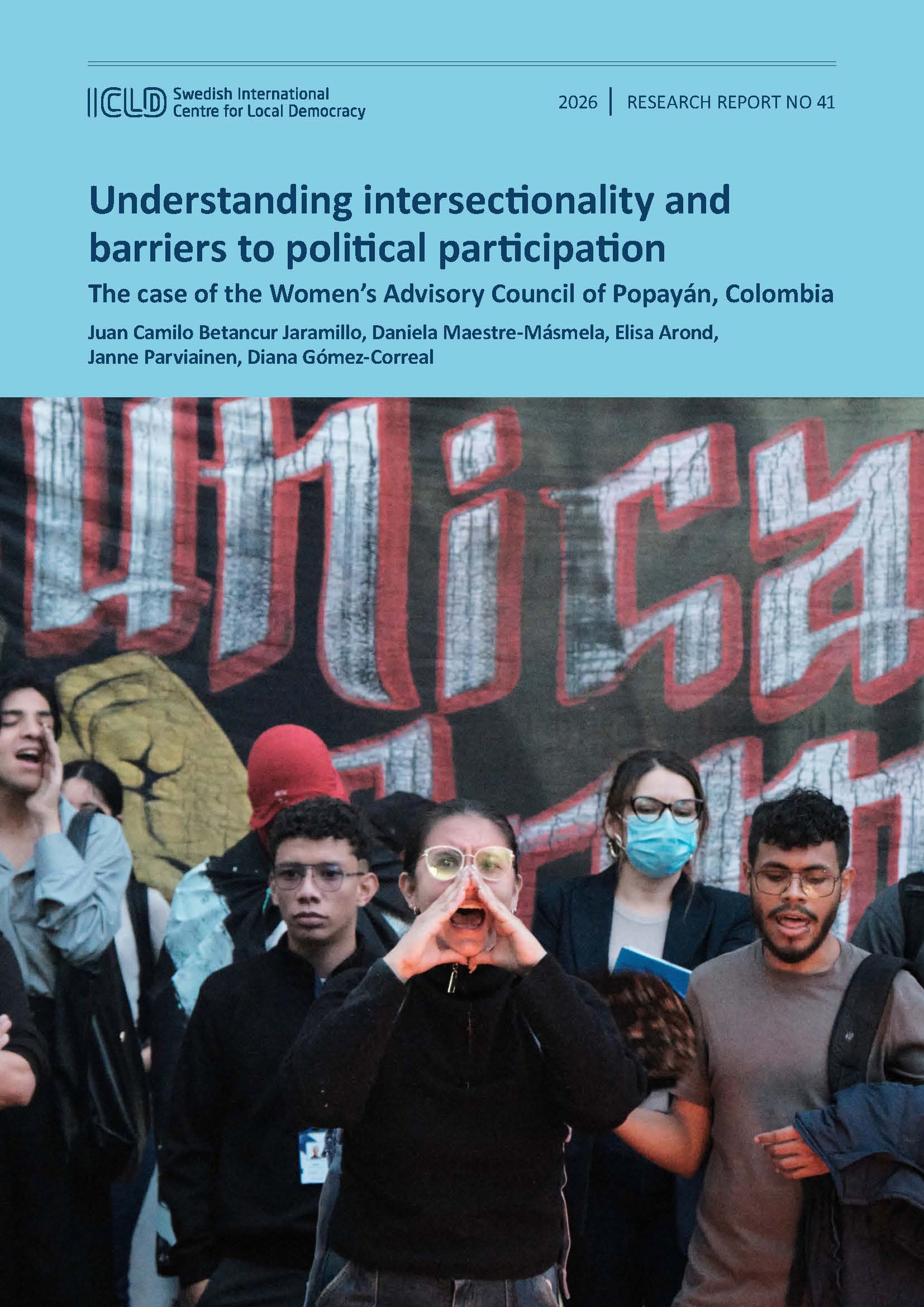
Understanding intersectionality and barriers to political participation
The case of the Women’s Advisory Council of Popayán, Colombia This study situates these dynamics within Cauca’s long history of social movements and the broader literature on political participation, gender and intersectionality, illustrating both the importance of intersectionality in understanding barriers to participation and its implications for more inclusive and equitable approaches to participatory governance…

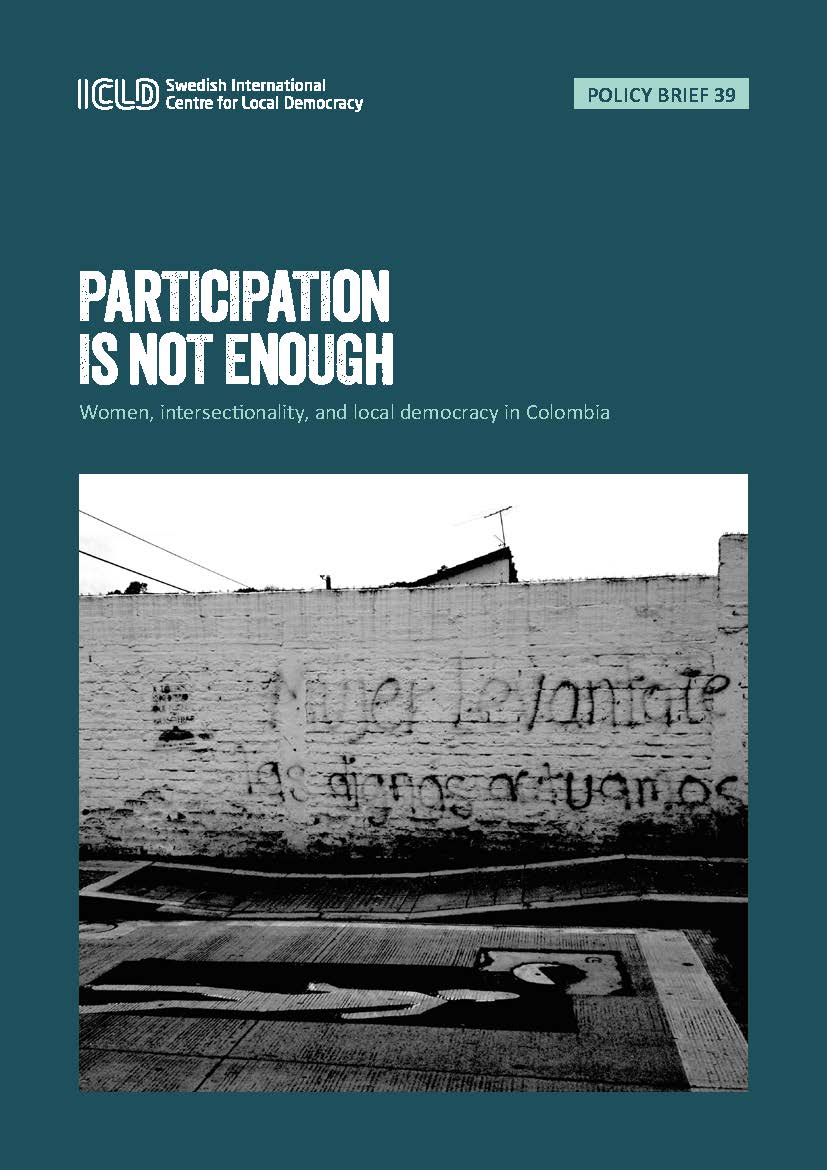
Participation is not enough
Women, intersectionality, and local democracy in Colombia In Colombia, participatory mechanisms have opened spaces for women, but these spaces have not enabled their political agency as expected. Often, these mechanisms have focused on “women” generically, reproducing discrimination based on gender, ethnicity, and class. Drawing on a case study of the Women’s Advisory Council (WAC) of…
Who gets to take part?
Toolbox for local governments to strengthen political participation with an intersectional perspective This toolbox aims to support local governments in strengthening political participation from an intersectional point of view. It guides readers to understand how different socio-economic, political, cultural, and gendered dynamics can affect people’s ability to partake in political activities, and proposes practical approaches…